
Hurricane Season in Florida: Does Your Homeowners Insurance Cover Storm Damage?
Key Points
- Florida homeowners insurance typically covers wind damage from hurricanes but excludes flood damage
- Your standard policy has separate deductibles for hurricane damage, often 2-10% of your home's insured value
- Flood insurance requires a separate policy and has a 30-day waiting period before coverage begins
- Storm surge, the most destructive part of many hurricanes, is considered flooding and requires flood insurance
- Most Florida policies include specific hurricane deductible triggers based on National Weather Service declarations
- Proper documentation before and after a storm is essential for successful claims
Hurricane season runs from June 1st through November 30th every year, and if you live in Florida, you know this isn't just a date on the calendar. It's a reality that shapes how we prepare our homes, stock our pantries, and yes, think about our insurance coverage.
Here's the question most Florida homeowners get wrong: if a hurricane hits your home, what exactly does your homeowners insurance actually cover?
The answer is more complicated than you might think, and the confusion between wind damage and flood damage has left countless Florida families facing huge out-of-pocket expenses after storms. Let's break down exactly what's covered, what's not, and how to make sure you're properly protected before the next storm hits.
Understanding Wind vs. Flood Coverage
The single most important thing to understand about hurricane insurance is this: your homeowners policy treats wind damage and flood damage as completely separate issues.
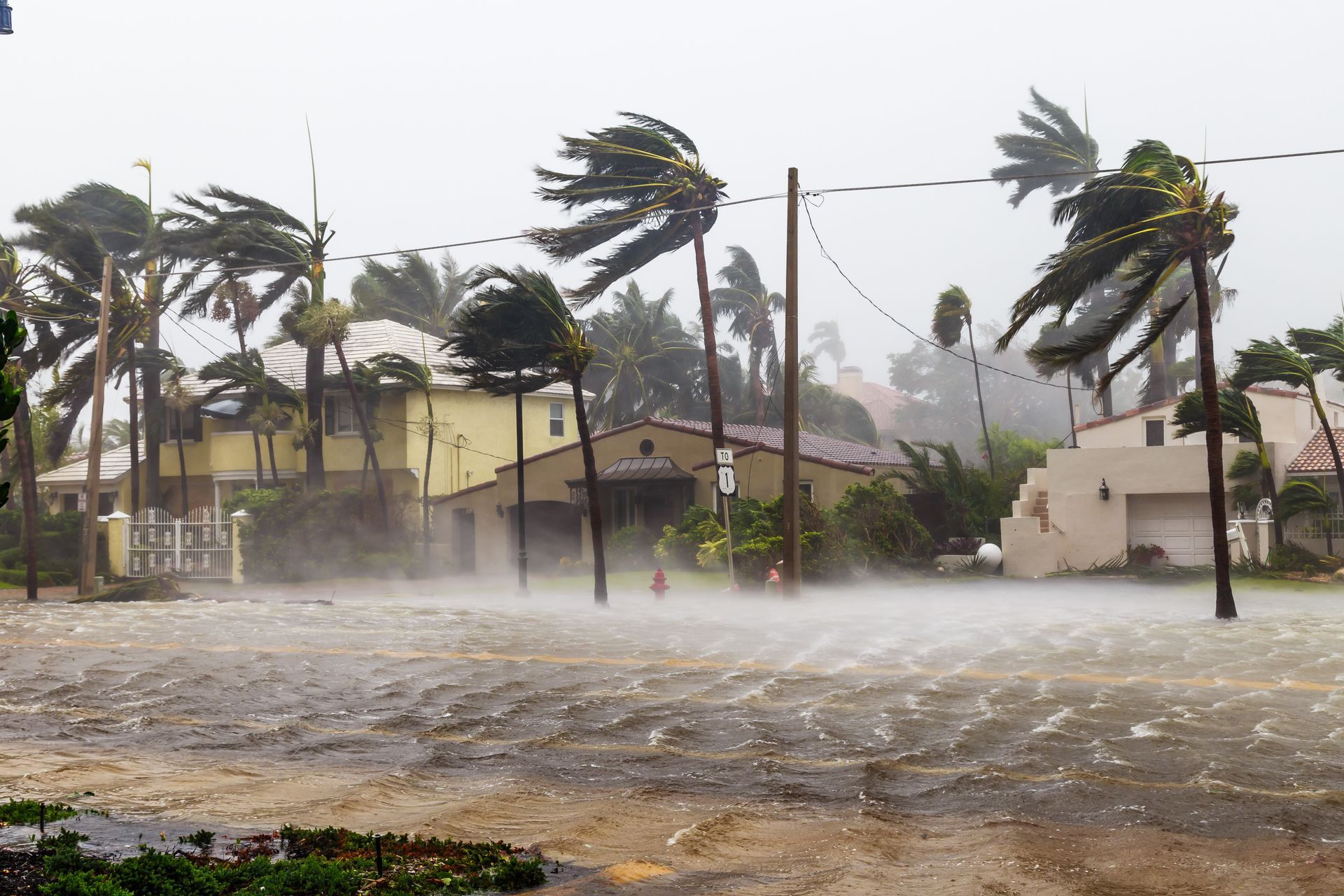
Wind damage from hurricanes is typically covered by your standard Florida homeowners insurance policy. This includes damage from hurricane-force winds ripping off your roof, breaking windows, tearing down fences, damaging your air conditioning unit, or sending debris through your walls. If the wind directly caused the damage, your homeowners policy should cover it.
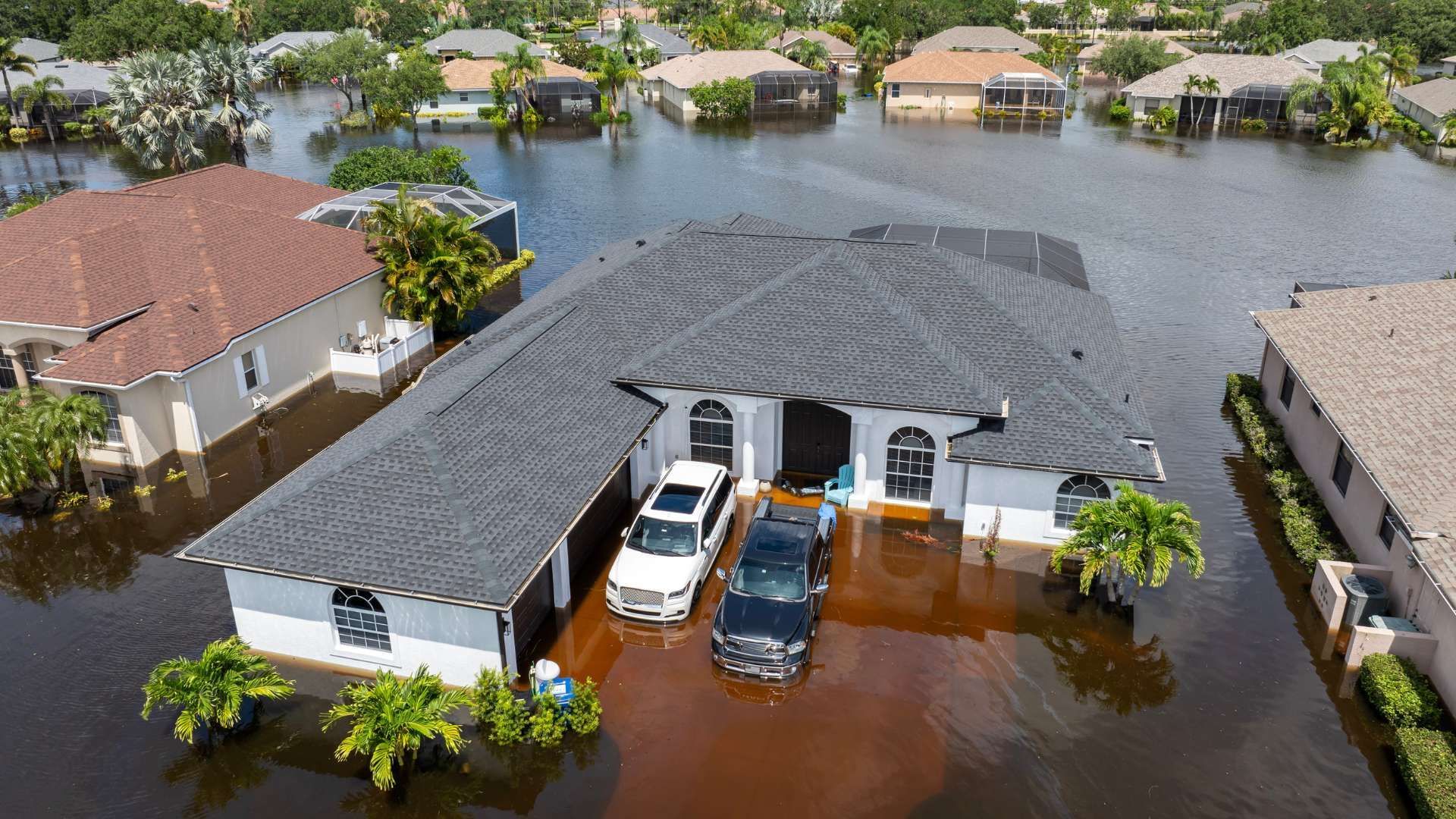
Flood damage is specifically excluded from standard homeowners policies. This means water damage from storm surge, rising water, overflowing rivers or lakes, or heavy rainfall that causes flooding is NOT covered by your regular homeowners insurance. You need a separate flood insurance policy for this protection.
Here's where it gets tricky and where many Florida homeowners get caught off guard. During a hurricane, you often get both wind and flood damage happening simultaneously. Your roof might blow off from wind (covered), and then rain pours into your home causing water damage (also covered as a result of the wind damage). But if storm surge floods your first floor while your roof stays intact, that's flood damage (not covered without flood insurance).
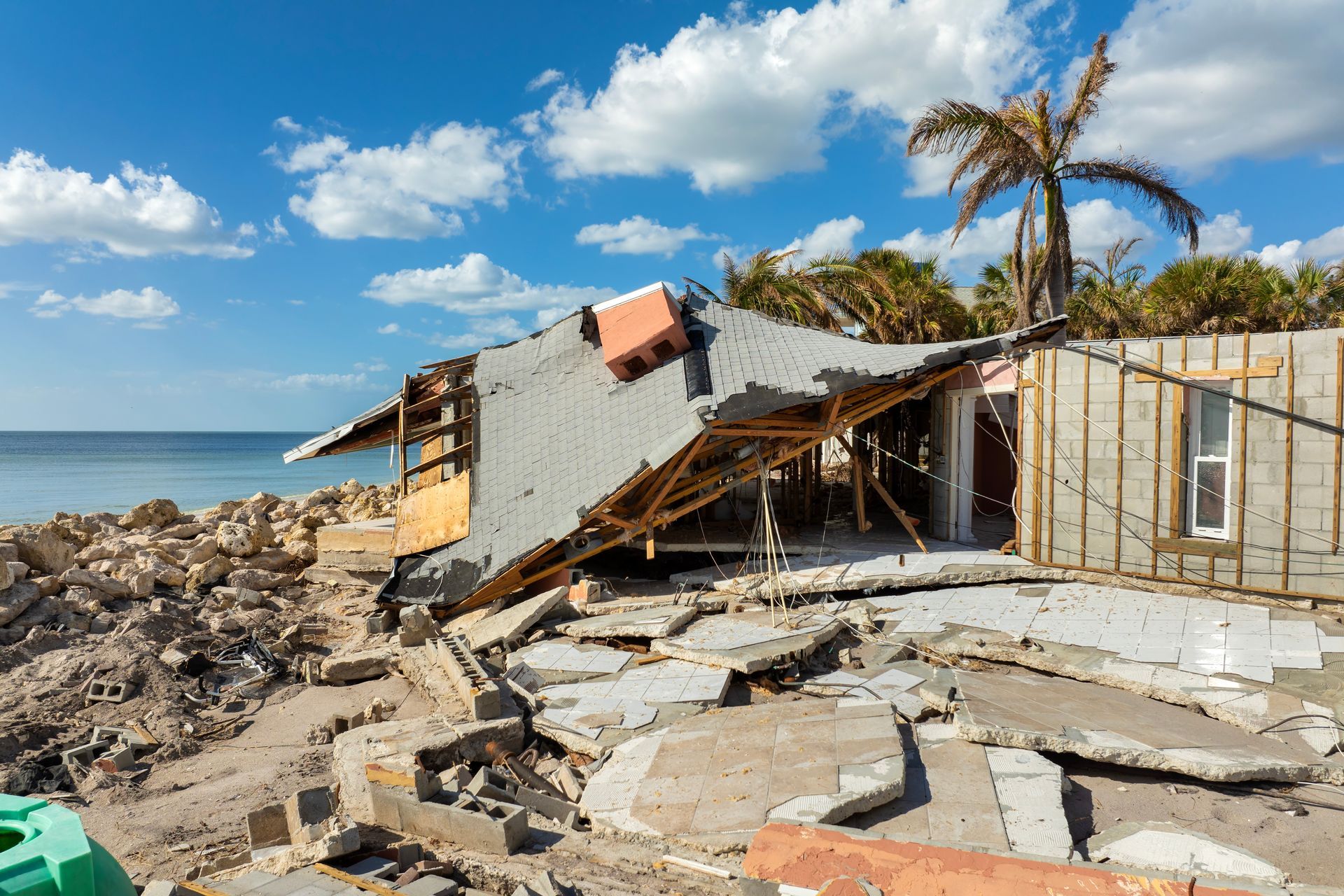
The distinction matters enormously. After Hurricane Ian in 2022, many Southwest Florida homeowners discovered their standard policies covered wind damage to their roofs but didn't cover the catastrophic flooding that destroyed everything inside their homes. Storm surge alone caused billions in damage that homeowners insurance didn't touch.
What Your Florida Homeowners Policy Actually Covers
Let's get specific about what your standard Florida homeowners insurance covers when a hurricane strikes.
Your dwelling coverage pays to repair or rebuild your home's structure when damaged by covered perils including hurricane winds. This includes your roof, walls, floors, built-in appliances, and attached structures like garages. If winds rip off your roof or punch a hole in your wall, dwelling coverage handles the repairs.
Personal property coverage protects your belongings inside the home. Furniture, electronics, clothing, and other possessions damaged by covered perils get replaced. However, there are usually sublimits on certain categories like jewelry, art, or collectibles.
Additional living expenses coverage pays for temporary housing, meals, and other extra costs if hurricane damage makes your home uninhabitable. If you need to stay in a hotel for two months while your home gets repaired, this coverage helps pay for it.
Other structures coverage protects detached structures on your property like sheds, detached garages, fences, and gazebos. Hurricane winds that knock down your fence or damage your storage shed would be covered here.
Loss of use coverage compensates you for rental income you lose if you rent out part of your property and hurricane damage prevents you from doing so.
But here's the critical limitation: all of this coverage applies to wind and wind-driven rain, not flooding. Water must enter your home through a wind-created opening (like a damaged roof or broken window) for the resulting water damage to be covered under your homeowners policy.
Hurricane Deductibles Explained
Florida homeowners policies include special hurricane deductibles that work differently from your standard deductible. Understanding these is crucial because they significantly impact your out-of-pocket costs after a storm.
Unlike your regular deductible (typically $500 to $2,500), hurricane deductibles are calculated as a percentage of your home's insured value. Common hurricane deductibles in Florida range from 2% to 10% of your dwelling coverage amount.
Here's what that means in real dollars. If your home is insured for $400,000 and you have a 2% hurricane deductible, you'll pay the first $8,000 of any hurricane claim out of pocket. With a 5% deductible on the same home, you're paying the first $20,000. A 10% deductible means you're covering the first $40,000 yourself.
These percentage deductibles apply per hurricane event, not per year. If two hurricanes hit Florida in the same season and both damage your home, you could potentially pay your hurricane deductible twice.
Most Florida policies include specific triggers that activate the hurricane deductible. Typically, the deductible kicks in when the National Hurricane Center or National Weather Service issues a hurricane watch or warning for any part of Florida. The deductible period usually begins 12 to 72 hours before the official watch or warning and extends for a set period after the storm passes.
You can often choose a lower hurricane deductible for a higher premium, or accept a higher deductible to reduce your annual insurance cost. This is a personal decision based on your financial situation and risk tolerance. Can you afford to pay $20,000 out of pocket if a major hurricane hits? If not, paying more for a lower deductible might make sense.
The Flood Insurance Gap
Now let's talk about the coverage gap that catches most Florida homeowners by surprise: flooding.
Flood insurance is not included in standard homeowners policies. Period. If you want flood protection, you must purchase a separate flood insurance policy, typically through the National Flood Insurance Program (NFIP) or a private flood insurance carrier.
Storm surge is the leading cause of death and destruction during hurricanes, and it's classified as flooding, not wind damage. When Hurricane Ian's 12-foot storm surge inundated Southwest Florida, when Hurricane Michael's surge devastated Mexico Beach, when Hurricane Irma flooded the Keys, all of that damage required flood insurance, not homeowners insurance.
Heavy rainfall during hurricanes often causes widespread flooding even in areas nowhere near the coast. When streets flood and water enters your home from ground level, that's flooding. When overwhelmed drainage systems back up and water seeps into your home, that's flooding. Your homeowners policy won't cover it.
Many Florida homeowners who live inland assume they don't need flood insurance because they're not on the coast. This is dangerous thinking. Hurricanes often drop 10 to 20 inches of rain over a short period. Rivers overflow. Retention ponds breach. Urban areas with lots of pavement have nowhere for water to go. Flooding happens miles from the ocean.
Mortgage lenders require flood insurance if you're in a high-risk flood zone (typically zones starting with A or V on FEMA flood maps). But even if you're not required to have it, you should seriously consider it. About 25% to 30% of flood insurance claims come from properties outside high-risk flood zones.
Here's another critical detail: flood insurance has a 30-day waiting period before coverage takes effect. You can't wait until a hurricane is approaching and then buy flood insurance. You need to plan ahead. If you're reading this during hurricane season and don't have flood coverage, you're probably too late for this year's storms.
What Flood Insurance Actually Covers
If you decide to purchase flood insurance (and you probably should), here's what it protects.
Standard NFIP flood policies provide up to $250,000 in building coverage for your home's structure. This covers the foundation, walls, floors, roof, electrical and plumbing systems, HVAC equipment, built-in appliances, and permanently installed items. Importantly, this includes damage from storm surge, heavy rain, overflowing water, and other flood events.
Contents coverage is separate and optional, providing up to $100,000 protection for personal belongings. This covers furniture, electronics, clothing, and other possessions damaged by flooding. You must specifically purchase contents coverage; it's not automatic.
Flood insurance doesn't cover everything, though. Temporary living expenses aren't included like they are in homeowners policies. Most landscaping isn't covered. Property outside the building like pools, decks, and fences generally aren't covered. And there's no coverage for financial losses like business interruption.
Private flood insurance has become increasingly available in Florida as an alternative to NFIP policies. Private policies often offer higher coverage limits, broader coverage terms, and sometimes lower premiums depending on your situation. They're worth exploring, especially if you have a high-value home or need coverage above NFIP limits.
The cost of flood insurance varies dramatically based on your flood zone, elevation, and home characteristics.
Properties in high-risk zones might pay $2,000 to $5,000 or more annually. Properties in moderate to low-risk zones often pay $400 to $1,200 per year. Given Florida's hurricane exposure, this is protection most homeowners should seriously consider.
Common Hurricane Coverage Scenarios
Let's walk through some real-world scenarios to clarify what's covered and what's not.
Scenario one: A hurricane damages your roof with high winds, and rain enters through the damaged roof, destroying your hardwood floors and furniture. Your homeowners policy covers both the roof repair and the interior water damage because the water entered through a wind-created opening. Your hurricane deductible applies.
Scenario two: Hurricane winds are minimal at your location, but heavy rainfall causes street flooding that enters your home and damages everything on the first floor. This is flood damage, not covered by homeowners insurance. You need flood insurance. Without it, you're paying for all repairs yourself.
Scenario three: Storm surge from a hurricane floods your home with three feet of water, destroying your first floor. Separately, winds damage your roof. The roof damage is covered by homeowners insurance (subject to your hurricane deductible). The flood damage requires flood insurance. You'd file two separate claims with two different insurers.
Scenario four: A hurricane knocks down trees on your property, which damage your fence and shed. Your homeowners policy covers this under other structures coverage, subject to your hurricane deductible. However, debris removal costs are typically included up to certain limits.
Scenario five: Your home becomes uninhabitable due to hurricane damage, and you need to stay in a hotel for six weeks while repairs are completed. Your homeowners policy's additional living expenses coverage pays for the hotel, meals above your normal food costs, and other necessary expenses. Your standard deductible (not the hurricane deductible) typically applies to this coverage.
Scenario six: You evacuate before a hurricane and return to find looters broke in and stole valuables. This isn't hurricane damage; it's theft. It's covered under your homeowners policy subject to your regular deductible, not the hurricane deductible. However, proving what was stolen without documentation can be challenging.
How to Prepare Before Hurricane Season
The time to review and update your insurance coverage is before hurricane season starts, not when a storm is in the Gulf of Mexico heading your way.
Review your coverage limits annually to ensure they reflect your home's current replacement cost. Construction costs have increased significantly in recent years, and your coverage should keep pace. If you insured your home for $350,000 five years ago, it might cost $450,000 to rebuild today. Underinsurance leaves you paying the difference out of pocket.
Create a detailed home inventory with photos or video of every room, including closets, garages, and storage areas. Document your possessions, especially valuable items. Store this documentation in a safe place away from your home, like a cloud storage service or with relatives out of state. This becomes crucial evidence for insurance claims.
Understand your deductibles clearly. Know exactly what your hurricane deductible is as a percentage and as a dollar amount. Know when it's triggered. Know whether you have separate deductibles for wind and other perils. There should be no surprises after a storm hits.
Consider whether you need flood insurance. Look up your property on FEMA's flood map. Talk to your insurance agent about flood risk in your area. Remember that 30-day waiting period. If you decide you want flood coverage, don't wait until June to buy it.
Document your home's condition before hurricane season with photos showing that your roof, windows, and siding are in good condition. This helps prove that damage was caused by the hurricane, not by pre-existing deterioration or deferred maintenance.
Review and update your policy endorsements. Do you have replacement cost coverage on your personal property, or just actual cash value? Do you have extended replacement cost coverage that pays above your policy limit if rebuilding costs exceed estimates? Have you scheduled valuable items like jewelry or art?
Keep your insurance documents accessible, including policy numbers, agent contact information, and claim filing instructions. Store digital copies in the cloud where you can access them from anywhere.
What to Do When a Hurricane Threatens
When a hurricane watch or warning is issued for your area, take these insurance-related steps immediately.
Contact your insurance agent to confirm your coverage and ask any last-minute questions. Don't wait until after the storm when phone lines are jammed and agents are overwhelmed with claims. Verify your policy is active and premiums are current.
Document your home's pre-storm condition with photos and video, both inside and outside. This evidence helps prove what damage was caused by the hurricane versus what existed before. Focus on areas likely to sustain damage like roofs, windows, doors, and outdoor structures.
Review your policy to understand exactly when your hurricane deductible triggers. Some policies activate when a watch is issued, others when a warning is declared. Knowing this helps you understand your financial exposure.
Secure your property to minimize potential damage. While insurance covers hurricane damage, you have a duty to mitigate losses. Board up windows, secure loose items, move vehicles to safe locations, and take other reasonable protective measures. Failing to protect your property could affect your claim.
Keep receipts for any emergency supplies or protective measures you purchase. Some policies reimburse reasonable costs incurred to protect property from further damage.
If you must evacuate, shut off utilities if recommended by authorities. Document that you've secured the home as much as possible. Take irreplaceable items with you if you can safely do so.
Filing a Hurricane Insurance Claim
After the storm passes and it's safe to return home, here's how to handle the insurance claim process.
Contact your insurance company as soon as possible to report the damage. Most insurers have 24/7 claim reporting lines. Don't wait days or weeks; prompt reporting helps expedite the process. Get a claim number and the name of your adjuster.
Document all damage extensively with photos and video before making any repairs. Photograph damage from multiple angles. Include wide shots showing context and close-ups showing details. Date-stamp everything if possible.
Make temporary repairs to prevent further damage, but save receipts and document what you did. You have a duty to mitigate additional damage, so covering a hole in your roof with a tarp is expected. But keep the damaged materials if possible and photograph everything before and after temporary repairs.
Create a detailed list of damaged or destroyed property including descriptions, approximate age, and estimated value. This process takes time but is essential for maximizing your claim settlement.
Meet with the insurance adjuster and walk through all damage together. Point out everything, even minor damage. Once the adjuster leaves, it's much harder to add items to the claim. Be thorough during this initial inspection.
Keep detailed records of all expenses related to the hurricane including temporary housing, meals, emergency repairs, and debris removal. These costs may be reimbursable under your policy's additional living expenses coverage.
Don't accept the first settlement offer if it seems inadequate. You have the right to dispute the adjuster's assessment. Consider hiring a public adjuster or contractor to provide an independent damage assessment if there's significant disagreement about repair costs.
Be patient but persistent. After major hurricanes, the claims process can take months. Follow up regularly, keep notes of all conversations, and don't hesitate to escalate issues if your claim isn't progressing.
Protecting Your Financial Future
Hurricane insurance isn't just about repairing your home after a storm. It's about protecting your financial security and your family's future.
Your home is likely your largest asset. Without proper insurance coverage, a major hurricane could wipe out years of equity and leave you with a mortgage on an uninhabitable property. This isn't theoretical; it's happened to thousands of Florida families after major storms.
The combination of adequate homeowners insurance with appropriate hurricane deductibles and separate flood insurance provides comprehensive protection. Yes, it costs money. But compared to the potential six-figure losses from an uninsured or underinsured hurricane claim, the premiums are a bargain.
At Integrity Insurance Group, we help Florida homeowners understand their hurricane coverage and make sure they're properly protected. We'll review your current policy, explain your deductibles, discuss whether you need flood insurance, and help you find the right balance of coverage and cost.
Hurricane season is a fact of life in Florida. You can't control the weather, but you can control whether you're financially prepared when the next storm hits.
Ready to review your hurricane coverage?
Contact us to schedule a policy review. We'll make sure you understand exactly what's covered, what's not, and where you might have gaps in protection. Don't wait until a storm is approaching. The time to prepare is now.
FAQs About Hurricane Insurance Coverage in Florida
What's the difference between a hurricane deductible and a regular deductible? A regular deductible is a fixed dollar amount (like $1,000 or $2,500) that applies to most claims. A hurricane deductible is typically a percentage of your home's insured value (usually 2% to 10%) and only applies to hurricane-related damage. For a $400,000 home with a 5% hurricane deductible, you'd pay the first $20,000 of hurricane damage yourself. Hurricane deductibles are significantly higher than regular deductibles, which is why understanding them before a storm hits is so important.
Does homeowners insurance cover hurricane damage to my roof? Yes, homeowners insurance typically covers roof damage caused by hurricane winds. However, this is subject to your hurricane deductible, which can be substantial. Additionally, if your roof is older or in poor condition before the storm, the insurance company may depreciate the payout based on the roof's age and condition. Some policies exclude roofs over a certain age or require roof inspections. Check your specific policy for age-related limitations or exclusions.
Will my homeowners insurance cover storm surge damage? No, storm surge is classified as flooding and is specifically excluded from standard homeowners insurance policies. Storm surge causes some of the most catastrophic damage during hurricanes, but it requires separate flood insurance coverage. This is one of the most important gaps in coverage that Florida homeowners need to understand. If you're in a coastal area or low-lying region, flood insurance isn't optional; it's essential.
How long does the hurricane deductible period last? The hurricane deductible period varies by policy but typically begins 12 to 72 hours before a hurricane watch or warning is issued by the National Hurricane Center or National Weather Service and extends for a set period after the storm passes, often 72 hours. During this entire period, any damage from the hurricane is subject to the hurricane deductible rather than your regular deductible. Your specific policy will outline the exact trigger and duration.
Can I buy flood insurance right before a hurricane hits? No, flood insurance has a mandatory 30-day waiting period before coverage takes effect. You cannot purchase flood insurance when a storm is approaching and expect immediate coverage. This waiting period exists to prevent people from only buying coverage when they know a storm is coming. The time to buy flood insurance is during the off-season, well before hurricane threats develop.
What if I can't afford my hurricane deductible after a storm? This is a serious concern many Florida homeowners face. If you can't afford to pay your hurricane deductible upfront, you have a few options. Some contractors will work out payment plans for your deductible portion. You might be able to use a credit card or home equity line of credit. Some insurance companies offer deductible payment plans. However, the best approach is planning ahead by building an emergency fund specifically for this purpose or choosing a lower deductible (which means higher premiums) if you can't afford a large out-of-pocket expense.
Does my condo association's insurance cover hurricane damage to my unit? Condo insurance is complicated. Your association's master policy typically covers the building structure and common areas, but your individual condo insurance policy covers your personal property and interior improvements to your unit. Both policies may have hurricane deductibles. After a hurricane, you might need to file claims with both insurers depending on what was damaged. Understanding the division of coverage between the master policy and your individual policy is crucial before storm season.
Are there any government assistance programs if I don't have adequate hurricane insurance? After major disasters, FEMA may provide individual assistance grants, but these are typically limited to a few thousand dollars and are meant to cover basic needs, not full rebuilding costs. FEMA grants rarely come close to covering actual losses. Low-interest SBA disaster loans are available, but they're loans that must be repaid, not free money. Relying on government assistance instead of proper insurance is a risky strategy that usually leaves homeowners significantly undercompensated.
FAQs About Integrity Insurance Group
Can Integrity Insurance Group help me understand my current hurricane coverage? Absolutely. We provide complimentary policy reviews for Florida homeowners to help you understand exactly what your current coverage includes. We'll explain your hurricane deductible, identify any gaps in coverage, discuss whether you need flood insurance, and answer all your questions in plain English. Understanding your coverage before hurricane season is one of the most important things you can do. Contact us to schedule a review.
Does Integrity Insurance Group offer flood insurance? Yes, we offer flood insurance through both the National Flood Insurance Program (NFIP) and private flood insurance carriers. We can help you understand your flood risk, determine appropriate coverage limits, and find the most cost-effective policy for your situation. Remember that flood insurance has a 30-day waiting period, so don't wait until hurricane season to explore your options.
Can Integrity Insurance Group help me lower my hurricane deductible? We can help you explore options for managing your hurricane deductible. Some insurers offer lower percentage deductibles for higher premiums. We can shop multiple carriers to find the best combination of deductible and premium for your budget. We'll also help you understand the tradeoffs between paying more annually for a lower deductible versus accepting a higher deductible and building an emergency fund to cover it.
What if I'm unhappy with how my insurance company handled my hurricane claim? If you're experiencing problems with a hurricane claim, contact us immediately. While we can't change decisions your current insurer has made, we can advocate on your behalf, help you understand your policy rights, suggest next steps for disputes, and help you find better coverage for future storms if your current insurer isn't meeting your needs. We're your advocate throughout the entire insurance relationship, not just when you buy the policy.
Does Integrity Insurance Group work with all the major insurance companies in Florida? Yes, we're independent agents who work with multiple insurance carriers, not just one company. This means we can shop the market to find you the best combination of coverage, service, and price. Florida's insurance market is unique and constantly changing, and our independence allows us to help you navigate these changes and find the best solution for your specific situation.
How often should I review my hurricane coverage with Integrity Insurance Group? We recommend reviewing your coverage annually, ideally before hurricane season begins in June. This ensures your coverage limits reflect current replacement costs, your deductibles still make sense for your financial situation, and you're aware of any policy changes. We also recommend reviewing coverage whenever you make significant home improvements, since these increase your home's value and replacement cost. Learn more about us and our commitment to keeping clients properly protected.
Can Integrity Insurance Group help me if I've been dropped by my insurance company? Yes, unfortunately some Florida homeowners are being non-renewed by their insurance carriers due to market conditions, roof age, or other factors. If this happens to you, contact us immediately. We work with multiple carriers and can help you find replacement coverage. We'll also review your situation to identify any issues that might be affecting your insurability and suggest solutions. The Florida insurance market is challenging, but we have options for most homeowners.
What makes Integrity Insurance Group different for homeowners insurance? We specialize in the Florida market and understand the unique challenges Florida homeowners face with hurricane coverage, flood insurance, and the changing insurance landscape. We take time to educate you about your coverage so you're never surprised by what is or isn't covered. We're available when you need us, whether you have questions about your policy or need help with a claim. Visit our
homeowners insurance page to learn more about how we help protect Florida homes.
Disclaimer: The information provided on this blog is for general informational purposes only and should not be considered professional advice. While we strive to ensure that all content is accurate and up to date, no guarantees are made regarding its completeness or reliability. Readers are encouraged to seek professional guidance specific to their situation before making any decisions based on the information provided. The author and this blog disclaim any liability for actions taken or not taken based on the content herein.