
Key Points
- Homeowners insurance covers wind, fire, and theft but specifically excludes flooding
- Flood insurance covers water damage from rising water, storm surge, heavy rain, and overflowing bodies of water
- Florida homeowners need both policies to be fully protected from the state's major threats
- About 20-25% of flood insurance claims come from properties outside high-risk flood zones
- Flood insurance has a mandatory 30-day waiting period, so you can't buy it when a storm approaches
- The combination of homeowners insurance and flood insurance provides comprehensive protection for your home and belongings
Here's a question that catches most Florida homeowners off guard: "If I have homeowners insurance, why do I also need flood insurance?"
The answer reveals one of the biggest gaps in understanding about home protection in Florida. Your homeowners insurance policy specifically excludes flood damage. And in Florida, where hurricanes, tropical storms, and heavy rainfall regularly cause catastrophic flooding, that exclusion can leave you facing six-figure losses with zero insurance protection.
Let's clear up the confusion between these two essential but completely separate types of insurance.
What Homeowners Insurance Actually Covers
Your homeowners insurance is designed to protect your home and belongings from most common perils. Wind damage from storms, fire, theft, vandalism, hail, lightning, and damage from burst pipes are all covered.
If a hurricane tears off your roof, homeowners insurance covers it. If lightning strikes your home, homeowners insurance handles the damage. If a tree falls on your house due to wind, homeowners insurance is there. If someone breaks in and steals your belongings, homeowners insurance protects you.
The policy also covers liability, so if a guest is injured on your property or you accidentally damage someone else's property, your homeowners policy provides legal protection and covers damages.
But here's the critical limitation: homeowners insurance specifically and explicitly excludes water damage from external sources. That's called flooding, and it's a completely different coverage category.
What Flood Insurance Covers
Flood insurance exists specifically to cover the water damage that homeowners insurance won't touch.
When storm surge from a hurricane floods your home with saltwater, that's covered by flood insurance, not homeowners insurance. When heavy rainfall overwhelms drainage systems and water floods your basement or first floor, that's covered by flood insurance. When a river overflows and water enters your home, that's covered by flood insurance. When a retention pond breaches during a storm, flood insurance handles it.
Flood insurance covers structural damage to your home including the foundation, walls, electrical systems, HVAC equipment, and built-in appliances. It covers personal property like furniture and belongings if you purchase contents coverage (which is optional and separate from building coverage).
It even covers pools, hot tubs, deck foundations, and other structures on your property if they're damaged by flooding.
The coverage is remarkably comprehensive for flooding specifically. What it doesn't cover is damage from wind, fire, or other non-flood perils. That's why you need both types of insurance working together.
Why They're Separate
This question stumps a lot of people: "Why isn't flood covered under homeowners insurance?"
The answer is actually practical. Flood risk varies dramatically by location. A homeowner on a beachfront property faces completely different flooding risk than someone on a hilltop five miles inland. Homeowners policies are priced based on the risk of many different perils averaged across neighborhoods. If flooding were included, the premiums would have to vary so dramatically that the system wouldn't work.
Additionally, flood claims are catastrophic when they happen. A single hurricane can cause billions in flood damage. The insurance industry can't absorb that risk at standard homeowners insurance premiums.
So the government created the National Flood Insurance Program (NFIP) to provide flood coverage separately. This allows people to purchase exactly the coverage they need based on their actual flood risk, and it spreads the catastrophic risk across the entire program rather than individual insurance companies.
Think of it this way: homeowners insurance is for everyday perils. Flood insurance is for the catastrophic flooding risk that's unique to certain areas and weather events.
How They Work Together
The best way to understand these two policies is to see them working together in real-world scenarios.
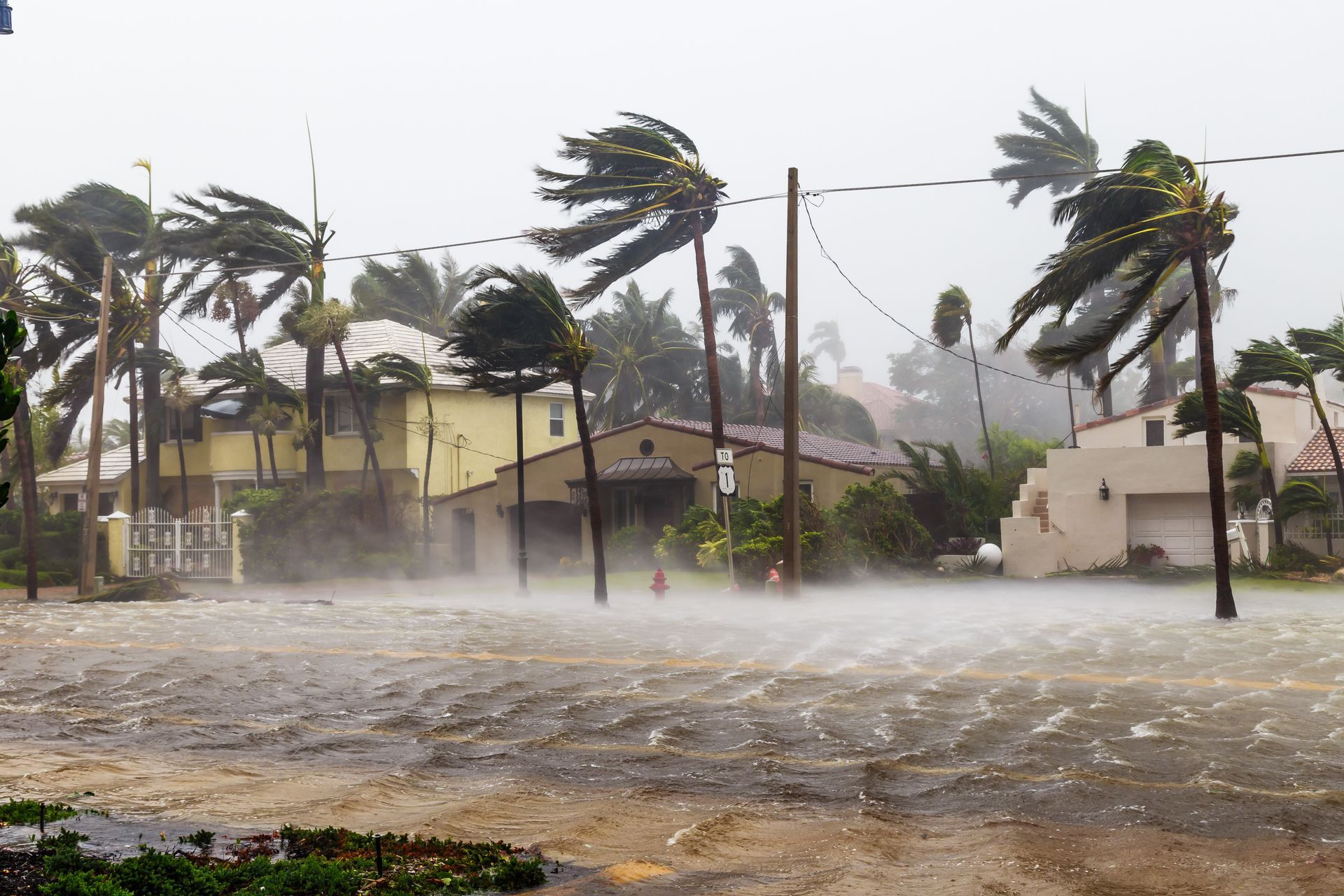
Scenario one: A hurricane hits with severe winds but minimal flooding. Your roof tears off in the wind. Homeowners insurance covers the roof damage (subject to your hurricane deductible). Rain enters through the damaged roof and damages your interior. This is covered as wind-driven rain. You don't need flood insurance for this claim, though it's common for homeowners to file both policies when storms cause mixed wind and water damage.
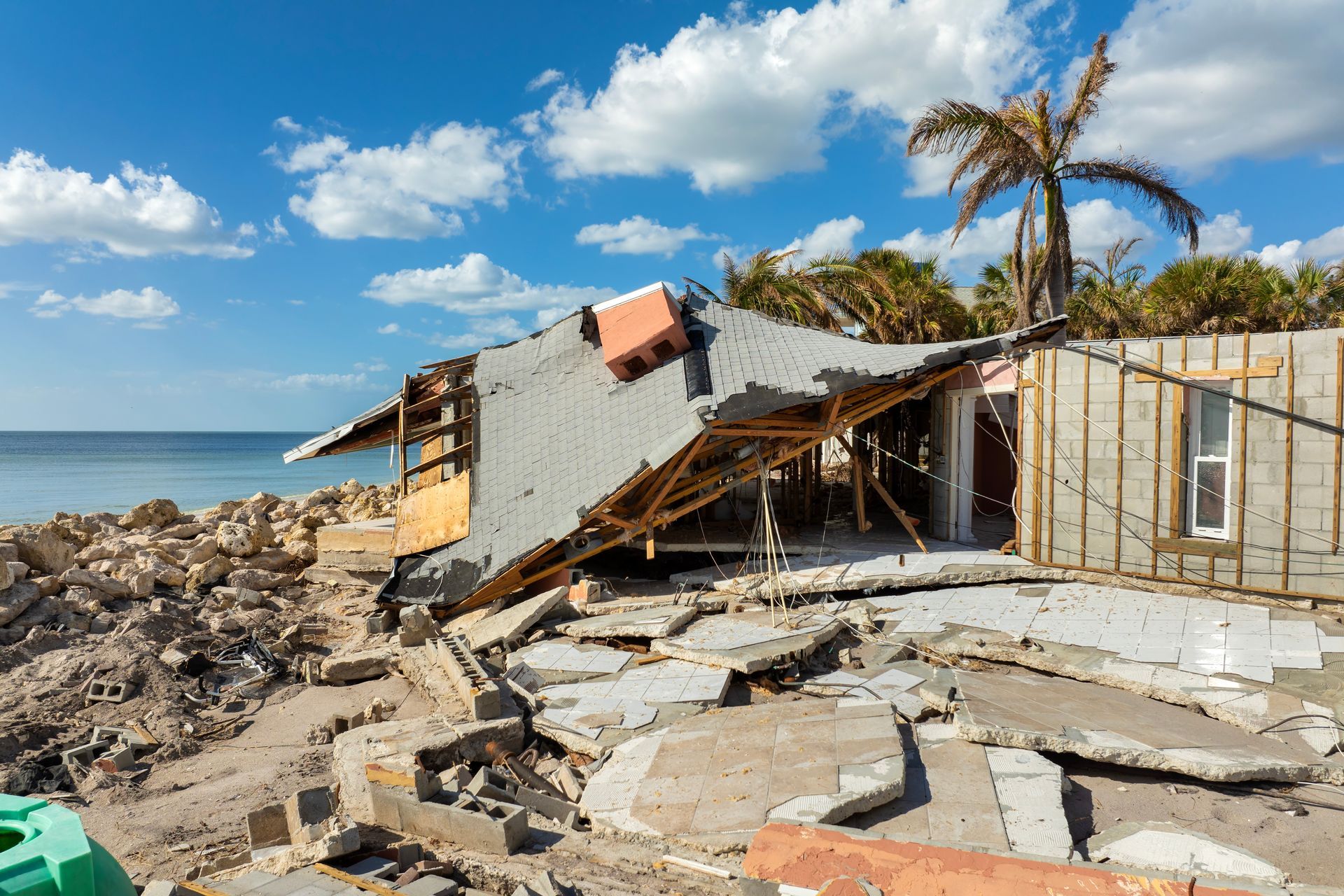
Scenario two: Storm surge floods your home with three feet of saltwater. The surge damages your first-floor walls, electrical systems, HVAC, appliances, and furniture. Your homeowners insurance doesn't cover any of this because it's classified as flooding. Flood insurance covers all of it. Without flood insurance, you're paying for everything out of pocket.
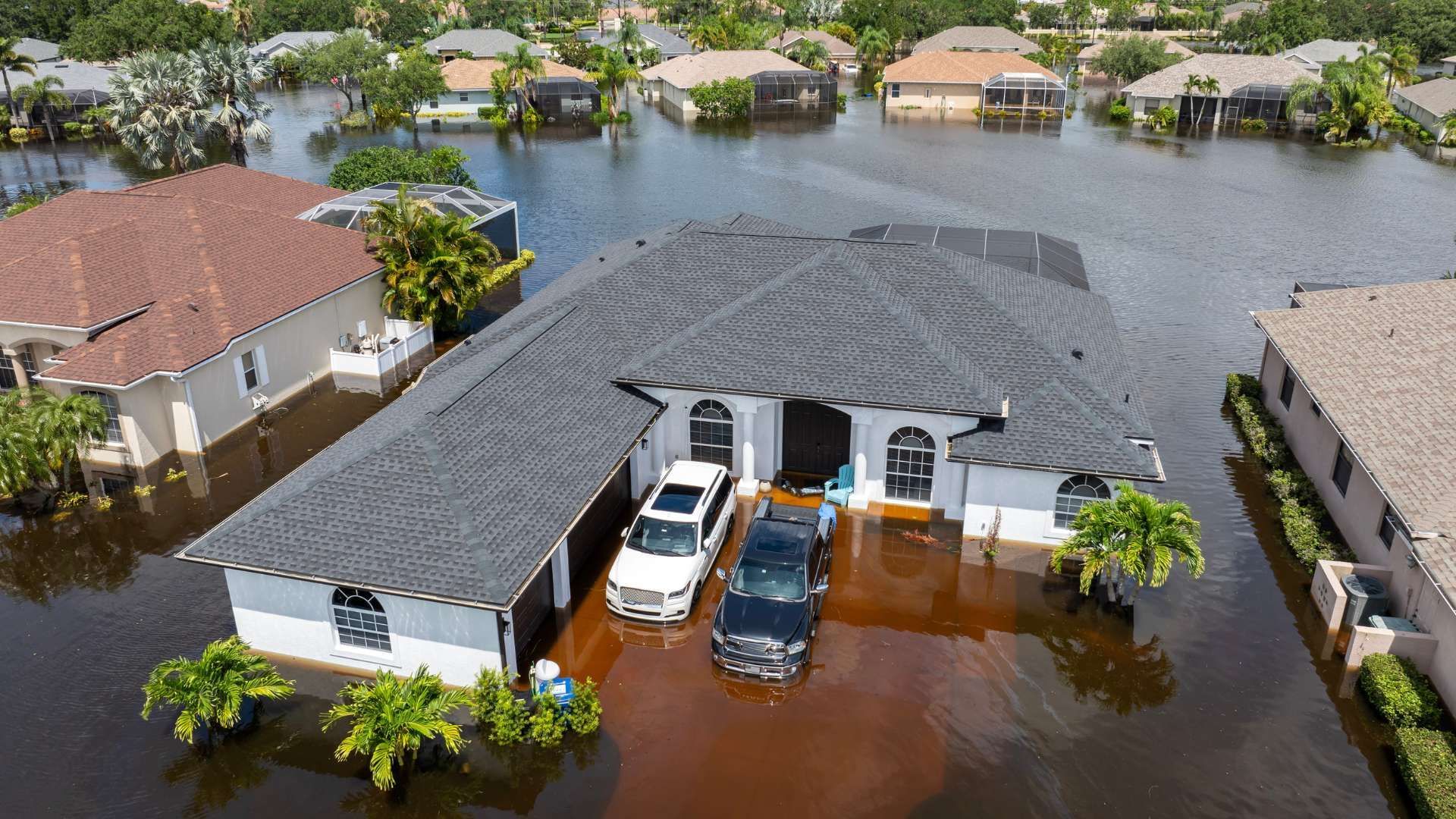
Scenario three: Heavy rainfall causes street flooding that enters your home through the foundation and basement. The entire first floor has water damage. This is flooding, not covered by homeowners insurance. Flood insurance covers it.
Scenario four: Winds damage your roof, and water enters. This damage is covered by homeowners insurance. However, you also have storm surge flooding entering from ground level. The wind-related water damage is covered by homeowners insurance. The storm surge flooding is covered by flood insurance. You file two claims with two different insurers.
This scenario illustrates why both policies are essential in Florida. A single hurricane can trigger both types of damage, and you need both policies to be fully protected.
The 30-Day Waiting Period
Here's a critical detail that catches many people unprepared: flood insurance has a mandatory 30-day waiting period before coverage takes effect.
You can't wait until a hurricane is on the radar and then buy flood insurance. You can't purchase coverage the week before storm season starts. The policy must be in effect for 30 days before it provides any protection.
This means if you're considering flood insurance, you need to act during the off-season, typically in the spring or early summer. By the time hurricane season officially begins on June 1st, any policy you're thinking about buying is too late.
This waiting period exists to prevent people from rushing to buy coverage only when they know a storm is coming. It's a safeguard against moral hazard in the insurance system.
Who Actually Needs Flood Insurance?
The answer is more complex than "people in flood zones."
Your mortgage lender requires flood insurance if you're in a high-risk flood zone, typically designated as zones A or V on FEMA flood maps. These are coastal areas, low-lying areas near water, and areas with documented flood history.
If you're required to have it, you have no choice. You need flood insurance to maintain your mortgage.
But what if you're not required? Should you get it anyway?
The data suggests yes. About 20-25% of flood insurance claims come from properties outside high-risk zones. Flooding happens in moderate-risk areas and even in areas considered low-risk because of heavy rainfall, poor drainage, and overwhelming of storm systems.
Consider your situation. If you live anywhere in Florida and you're renting or your mortgage is paid off, you're not required to carry flood insurance. But if a heavy storm or flooding event destroyed everything on your first floor, could you afford to replace it? If not, flood insurance is worth the cost of protection.
Even a modest home contains $20,000 to $50,000 worth of belongings. Add in structural damage, and you're easily looking at six-figure losses. Flood insurance costs $400 to $3,000 annually depending on flood zone and property characteristics. Compare that to potential losses and the value becomes clear.
Costs and Coverage Limits
Flood insurance premiums vary dramatically based on flood zone, elevation, and property characteristics.
Properties in high-risk zones (Zones A and V) might pay $2,000 to $5,000 or more annually for flood insurance. Properties in moderate-risk zones often pay $400 to $1,500 per year. Properties in low-risk zones might pay $300 to $600 annually.
These costs include building coverage. Contents coverage (protecting your belongings) is optional and costs additional premium, typically $100 to $500 per year.
Through the National Flood Insurance Program, standard policies provide up to $250,000 in building coverage and up to $100,000 in contents coverage. Private flood insurance carriers often offer higher limits if you need them.
Your homeowners insurance premiums are separate from flood insurance premiums. You're paying for two distinct policies with two separate carriers (unless you use a private flood insurance provider). The combination of both policies costs significantly less than dealing with uninsured flood damage.
Public vs. Private Flood Insurance
Historically, the National Flood Insurance Program (NFIP) was the only flood insurance option. Now private flood insurance carriers are increasingly available in Florida.
NFIP policies are backed by the federal government and provide standardized coverage. They're often less expensive but have specific limitations including waiting periods for claims, lower coverage limits, and sometimes slower claims processing.
Private flood insurance offered by traditional insurance carriers can be more flexible, offers higher coverage limits, sometimes provides better service, and occasionally costs less than NFIP policies. The tradeoff is that private carriers are not backed by the government and their claims could theoretically be denied if the carrier becomes insolvent (though this is rare).
Your agent can help you compare NFIP and private flood insurance options to find what works best for your situation.
Common Misconceptions
These myths keep Florida homeowners dangerously unprotected.
Myth one: "My homeowners insurance covers flooding." It doesn't. Flooding is specifically excluded. If water enters from ground level or external sources, homeowners insurance won't cover it.
Myth two: "I'm too far from the water to need flood insurance." Flooding happens miles from coastlines due to heavy rain, poor drainage, and overflowing rivers and lakes. Distance from the coast isn't the primary indicator of flood risk.
Myth three: "Flood insurance is too expensive." Costs vary, but many policies cost less than $500 annually. That's less than $50 per month for protection against catastrophic losses.
Myth four: "I don't have a mortgage, so I don't need flood insurance." Lenders require it to protect their investment, but if you own your home free and clear, the decision is yours. However, uninsured flood damage could still devastate your finances.
Myth five: "My condo association's master policy covers flooding for my unit." Association policies cover the building structure only, not individual units or contents. You need your own flood insurance to protect your personal property and liability for your unit.
How to Decide What You Need
Start by looking up your property on FEMA's flood map. Visit floodsmart.gov or ask your agent to identify your flood zone and risk level.
If you're in a high-risk zone and have a mortgage, the decision is simple. You must carry flood insurance. Work with your agent to get quotes from NFIP and private carriers.
If you're not in a high-risk zone, ask yourself these questions: Could I afford to replace all my belongings if they were destroyed by water? Could I afford to repair or replace my home's structure if flood damaged it? Do I live in an area that has experienced flooding in the past? Would losing everything financially devastate me?
If you answer no to any of these questions, flood insurance deserves serious consideration.
Review your situation annually. As property values and replacement costs increase, your flood insurance needs may change.
At Integrity Insurance Group, we help Florida homeowners understand their flood risk and decide whether flood insurance makes sense for their situation. We can shop both NFIP and private carrier options to find you the best coverage and rates.
The combination of homeowners insurance and appropriate flood insurance is how you truly protect your home and family in Florida.
Ready to evaluate your flood insurance needs? Contact us to discuss your specific situation. We'll help you understand your risk, explain your options, and get you properly protected.
FAQs About Flood Insurance vs. Homeowners Insurance
Can I get homeowners insurance without flood insurance in Florida? Yes, you can purchase homeowners insurance without flood insurance in most situations. However, if you're in a high-risk flood zone, your mortgage lender will require flood insurance as a condition of the loan. Even if not required, flood insurance is strongly recommended for most Florida homeowners due to the state's flood risks.
If my homeowners insurance covers water damage from burst pipes, doesn't that mean it covers flooding? No, these are different. A burst pipe is internal water damage caused by a mechanical failure, and homeowners insurance covers that. External flooding from storm surge, rising water, or heavy rainfall is completely different. Homeowners insurance specifically excludes this type of water damage. Only flood insurance covers external flooding.
Do I need flood insurance if I'm on the second floor of a condo? Yes, you should still have flood insurance. While upper-floor units face different risks than ground-floor units, flooding can still affect you through damaged electrical systems, HVAC equipment, or if the entire building structure is compromised. Additionally, contents coverage in flood insurance protects your personal belongings regardless of what floor you're on. Discuss your specific situation with your agent, as some upper-floor units in low-risk areas may have lower flood insurance costs.
What's the difference between homeowners insurance deductibles and flood insurance deductibles? These are separate. Your homeowners insurance has its own deductible (typically $500-$2,500) and may have additional deductibles for hurricanes or other perils. Your flood insurance has its own separate deductible, often $1,000 to $5,000. If you have a claim that involves both homeowners and flood damage, you'll pay both deductibles to the respective insurers.
Can I get flood insurance from the same company as my homeowners insurance? Many insurance companies now offer both homeowners and private flood insurance, so you can purchase both from one carrier. This simplifies coverage management and can sometimes provide discounts. However, NFIP flood insurance through the National Flood Insurance Program must typically be purchased separately, even if your homeowners policy is with a private carrier. Your agent can help coordinate this.
What happens if I don't have flood insurance and my home floods? Without flood insurance, you're responsible for all costs of repairing or replacing flood-damaged property and belongings. For a significant flood event, this could easily total $50,000 to $200,000 or more. You'd need to pay these costs out of pocket, take out loans, or file a claim against your homeowners policy (which would be denied for the flood damage). This is why flood insurance is so important.
How do I file a flood insurance claim? Contact your flood insurance carrier immediately after discovering flood damage. Document everything with photos and video. Make a list of damaged items and their approximate values. Keep receipts for emergency repairs and temporary living expenses. The claims process is similar to homeowners insurance, though flood claims are handled by your flood insurance provider rather than your homeowners insurer. Your agent can help guide you through the process.
FAQs About Integrity Insurance Group
Does Integrity Insurance Group offer both homeowners and flood insurance? Yes, we provide both homeowners insurance and flood insurance solutions for Florida homeowners. We work with multiple carriers including the National Flood Insurance Program and private flood insurance providers. We can help you coordinate both policies to ensure comprehensive protection.
Can Integrity Insurance Group help me determine if I need flood insurance? Absolutely. We'll review your property location, discuss your flood risk level, explain FEMA flood zones, and help you decide whether flood insurance makes sense for your situation. We'll also answer questions about costs and coverage options. There's no obligation, and we want you to make an informed decision based on your actual risk and financial situation.
What's the advantage of working with Integrity Insurance Group for flood insurance? We're independent agents who can shop both NFIP and private flood insurance options. We explain the differences between carriers and help you find the best combination of coverage and price for your specific property. We handle all the coordination between your homeowners and flood policies. And we're here if you ever need to file a claim, helping guide you through the process.
How quickly can Integrity Insurance Group get flood insurance in place? For straightforward situations, we can often provide quotes within one business day. However, remember the 30-day waiting period before flood coverage becomes effective. If you need flood insurance, don't wait. Contact us during the off-season so coverage is in place well before hurricane season. We can also help you understand your options if you're approaching a deadline (like mortgage closing on a new property).
Does bundling homeowners and flood insurance save money? Sometimes yes, especially if you purchase both from the same private carrier. Multi-policy discounts vary by carrier and may not always apply to NFIP flood policies. We'll compare bundled versus separate policies to show you which option provides the best value. We focus on finding you the best combination of coverage and cost, whether that means bundling or keeping policies separate.
Can Integrity Insurance Group help if my property was non-renewed by my previous homeowners insurer? Yes, we specialize in helping Florida homeowners find coverage even in challenging situations. Non-renewals have become increasingly common in Florida's market, but we have access to carriers that can often provide coverage. We'll also review any flood insurance you need and coordinate both policies for comprehensive protection.
What should I do if a hurricane is approaching and I don't have flood insurance? Contact us immediately, but understand that flood insurance has a 30-day waiting period. If a hurricane watch or warning is already issued, you won't be able to purchase new flood coverage in time for that storm. However, we can discuss mitigation strategies and help you understand your homeowners insurance coverage for wind damage. We can also help you get flood insurance in place for future storms. This is why planning ahead during the off-season is so important.
How does Integrity Insurance Group stay updated on Florida's changing insurance market? We actively monitor Florida's insurance landscape, including carrier changes, new private flood insurance options, and regulatory updates. We maintain relationships with multiple carriers and understand the nuances of each. We participate in continuing education to stay current on insurance products and market conditions. Our goal is to provide you with the most current and comprehensive information so you can make informed decisions about your coverage. Learn more about us and our commitment to staying ahead of Florida's insurance challenges.
Disclaimer: The information provided on this blog is for general informational purposes only and should not be considered professional advice. While we strive to ensure that all content is accurate and up to date, no guarantees are made regarding its completeness or reliability. Readers are encouraged to seek professional guidance specific to their situation before making any decisions based on the information provided. The author and this blog disclaim any liability for actions taken or not taken based on the content herein.