
Key Points
- Florida homeowners insurance covers your home's structure, personal belongings, liability, and additional living expenses
- Most policies exclude flood damage, requiring separate flood insurance
- Wind damage is typically covered, but hurricane deductibles can be 2-10% of your home's value
- Liability coverage protects you from lawsuits if someone is injured on your property
- Understanding policy exclusions and limitations helps you avoid costly coverage gaps
- Regular policy reviews ensure your coverage keeps pace with rising replacement costs
You pay your homeowners insurance premium every year, but do you actually know what you're paying for? Most Florida homeowners couldn't tell you exactly what their policy covers until they need to file a claim. And that's when the surprises happen.
Between Florida's unique risks from hurricanes, flooding, sinkholes, and other perils, understanding your homeowners coverage isn't just helpful. It's essential to protecting your biggest investment.
Let's break down exactly what Florida homeowners insurance covers, what it doesn't, and how to make sure you're properly protected.
The Four Main Components of Homeowners Coverage
Every Florida homeowners insurance policy is built around four core coverage types. Understanding each one helps you know exactly what you're paying for.
Dwelling Coverage (Coverage A) protects the physical structure of your home. This includes your roof, walls, floors, foundation, built-in appliances, attached garage, and permanently installed fixtures. If a covered peril damages your home's structure, dwelling coverage pays to repair or rebuild it.
The amount of dwelling coverage you carry should equal the cost to completely rebuild your home from the ground up, not your home's market value or what you paid for it. A $300,000 home might cost $400,000 to rebuild due to labor and material costs. This is why annual coverage reviews matter so much.
Personal Property Coverage (Coverage C) protects your belongings inside the home. Furniture, clothing, electronics, appliances, kitchenware, and basically everything you own gets coverage under this section. Most policies provide personal property coverage equal to 50-70% of your dwelling coverage, though you can adjust this.
Liability Coverage (Coverage E) protects you if someone is injured on your property or if you accidentally damage someone else's property. If a delivery driver trips on your front steps and sues you, liability coverage handles legal defense and any settlement or judgment. Standard policies typically include $100,000 to $300,000 in liability coverage.
Additional Living Expenses (Coverage D), also called loss of use coverage, pays for temporary housing and extra costs if your home becomes uninhabitable due to covered damage. If a fire forces you to live in a hotel for three months during repairs, this coverage helps pay for it.
What Perils Are Covered?
Florida homeowners policies typically cover damage from a wide range of perils, though the specific list depends on your policy type.
Fire and lightning are covered under virtually all policies. Whether it's a kitchen fire, lightning strike, or electrical fire, damage to your home and belongings is covered. This is one of the most common claims homeowners file.
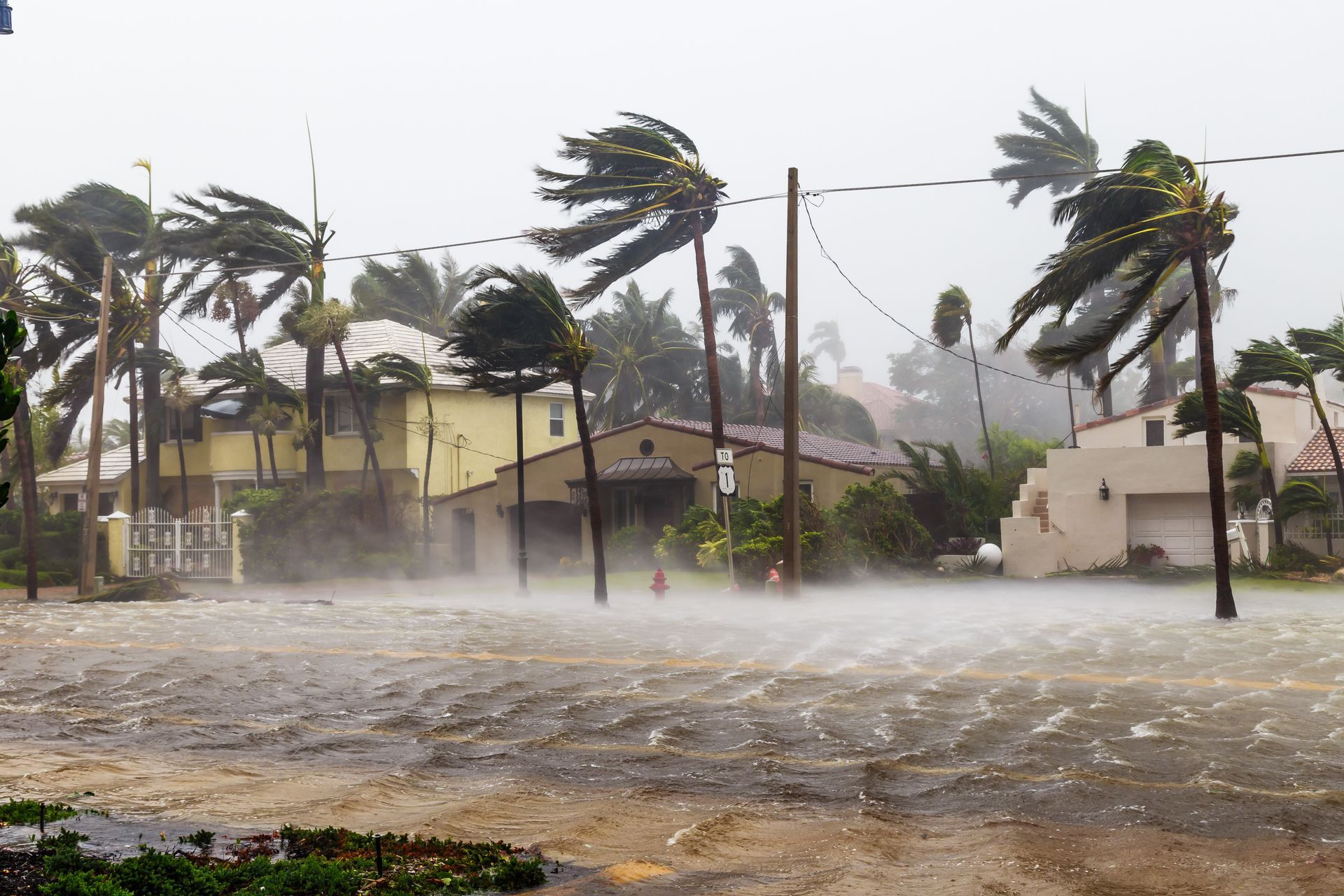
Windstorm and hail coverage protects against hurricane damage, tropical storms, and severe weather. However, wind coverage in Florida comes with special considerations including higher deductibles and specific policy limitations. Some coastal properties may need to purchase wind coverage separately through the state-run Citizens Property Insurance.
Theft and vandalism are covered, protecting you if someone breaks into your home and steals or damages your property. This includes burglary, robbery, and malicious damage to your home or belongings.
Water damage from burst pipes, appliance malfunctions, or sudden accidental discharge is covered. If your water heater bursts or a pipe freezes and breaks, the resulting damage is typically covered. However, this doesn't extend to flooding from external sources.
Smoke damage from fires, even fires that start outside your property, is generally covered. Smoke can cause extensive damage to walls, ceilings, and belongings even when flames never reach your home.
Falling objects like tree branches, debris during storms, or even aircraft parts that damage your home are covered. The falling object must cause direct damage to be covered.
Weight of ice, snow, or sleet is covered, though this matters less in Florida than in northern states. Collapsed roofs or structural damage from the weight of accumulated precipitation would be covered.
Accidental damage from things like a vehicle hitting your home or an explosion is typically covered under standard policies.
What Florida Homeowners Insurance Does NOT Cover
Understanding exclusions is just as important as understanding coverage. Here are the major gaps in standard Florida homeowners policies.
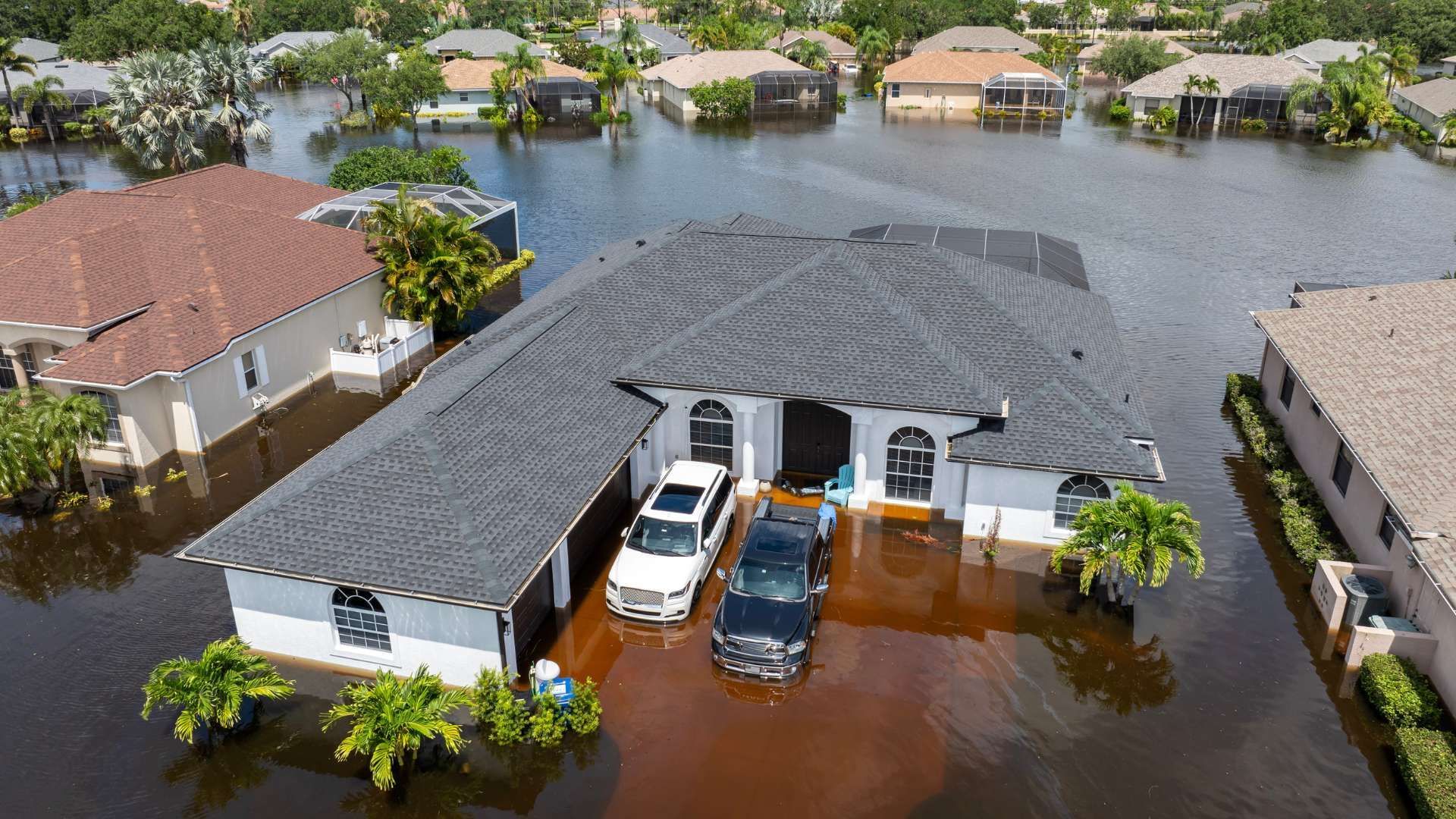
Flood damage is the biggest exclusion that surprises Florida homeowners. Water damage from rising water, storm surge, overflowing bodies of water, or heavy rainfall that enters from ground level is not covered. You need separate flood insurance for this protection. After major hurricanes, countless Florida families discover this exclusion the hard way. We covered this extensively in our hurricane season coverage guide.
Earth movement including sinkholes, earthquakes, and landslides is typically excluded. Florida's unique sinkhole risk means many homeowners purchase separate sinkhole coverage or endorsements. Without it, catastrophic sinkhole damage could leave you with total losses.
Mold and fungus damage is generally excluded or severely limited unless it results from a covered peril. If mold develops due to long-term moisture problems or maintenance issues, you're on your own. However, if mold results from a sudden burst pipe (a covered peril), the resulting mold damage might have some coverage.
Wear and tear, deterioration, and maintenance issues aren't covered. Insurance protects against sudden, accidental damage, not gradual deterioration. A roof that fails due to age isn't covered. A pipe that bursts due to corrosion isn't covered. Regular home maintenance is your responsibility.
Pest damage from termites, rodents, insects, or other pests is excluded. The damage these pests cause and the cost to remove them falls entirely on the homeowner.
Nuclear hazards and war are standard exclusions across virtually all homeowners policies.
Intentional damage caused by you or anyone in your household is excluded. Insurance doesn't cover damage you cause on purpose.
Business activities and liability aren't covered under homeowners policies. If you run a business from home and a client is injured on your property, your homeowners policy likely won't cover it. You need home-based business insurance for that protection.
Understanding Coverage Limits and Sublimits
Your policy doesn't provide unlimited coverage for everything. Understanding limits and sublimits helps you avoid unpleasant surprises during claims.
Your dwelling coverage limit is the maximum the policy will pay to rebuild your home. If your home is insured for $350,000 but rebuilding after a total loss costs $425,000, you're paying the extra $75,000 yourself unless you have extended replacement cost coverage.
Personal property sublimits restrict how much the policy pays for certain categories of belongings. Jewelry is often capped at $1,500 to $2,500. Cash is limited to $200 to $500. Firearms might be limited to $2,500. Electronics, artwork, and collectibles often have specific caps. If you own valuable items exceeding these sublimits, you need to schedule them separately with additional coverage.
Additional living expenses typically have time limits (12-24 months) and may be capped at a percentage of your dwelling coverage, often 20-30%. If rebuilding takes longer or costs more than expected, you could exceed these limits.
Liability limits cap how much the policy pays for lawsuits and claims against you. If you carry $300,000 in liability coverage and a judgment goes against you for $500,000, you're personally responsible for the additional $200,000. Many Florida homeowners benefit from umbrella policies that provide additional liability protection.
Replacement Cost vs. Actual Cash Value
One of the most important distinctions in homeowners insurance is how your policy values damaged or destroyed property.
Replacement cost coverage pays what it costs to replace or repair damaged property with new materials of similar quality, without deducting for depreciation. If your five-year-old roof is destroyed, replacement cost coverage pays to install a new roof.
Actual cash value coverage pays the depreciated value of damaged property. That same five-year-old roof might have depreciated 40-50% of its value, so actual cash value coverage would only pay half of what a new roof costs. You'd pay the difference out of pocket.
For dwelling coverage, replacement cost is standard and essential. For personal property, replacement cost costs more but provides significantly better protection. Without it, that three-year-old $1,200 laptop might only get you $400 after depreciation.
Extended replacement cost coverage pays above your policy limit (typically 125% or 150% of the dwelling limit) if rebuilding costs exceed estimates. With construction costs fluctuating significantly in Florida, this endorsement provides valuable protection against inflation and unexpected rebuilding costs.
Special Considerations for Florida Homeowners
Florida's unique risks create special considerations that don't apply in many other states.
Hurricane deductibles are separate from your regular deductible and apply specifically to hurricane damage. These are typically calculated as a percentage of your dwelling coverage (2%, 5%, or 10%) rather than a flat dollar amount. On a $400,000 home, a 5% hurricane deductible means you pay the first $20,000 of hurricane damage yourself. Understanding this before storm season is crucial.
Named storm deductibles work similarly to hurricane deductibles but may apply to any named tropical system, not just hurricanes. The distinction between regular deductibles, hurricane deductibles, and named storm deductibles varies by policy.
Wind mitigation discounts reward homeowners who install hurricane-resistant features like impact windows, reinforced roofs, or shutters. These upgrades not only protect your home but can significantly reduce your insurance premium. Many Florida homeowners see 20-40% premium reductions from wind mitigation improvements.
Age of roof restrictions have become increasingly common in Florida. Some insurers won't cover roofs over 15-20 years old or require inspections for older roofs. Others will only provide actual cash value coverage on older roofs rather than replacement cost. If you're buying a home with an older roof, this can significantly impact your insurance options and costs.
Citizens Property Insurance is Florida's insurer of last resort for homeowners who can't find coverage in the private market. While Citizens provides essential coverage for many Floridians, it typically costs more than private insurance and has its own unique rules and limitations.
How to Ensure You Have Adequate Coverage
Having homeowners insurance isn't enough. You need the right amount of coverage in the right areas.
Review your dwelling coverage annually to ensure it reflects current replacement costs. Construction costs have increased dramatically in recent years, and your coverage should keep pace. Your insurance company should adjust your coverage automatically based on inflation, but verify this is happening.
Create a home inventory with photos or video of your belongings, especially valuable items. Store this documentation off-site or in the cloud. When filing a claim, this inventory becomes invaluable evidence of what you owned.
Schedule high-value items separately if they exceed your policy's sublimits. Jewelry, art, collectibles, musical instruments, and other valuable items need specific coverage to be fully protected.
Consider your liability exposure based on your assets and risks. If you have significant savings, retirement accounts, or equity in your home, carrying minimum liability coverage is risky. Many homeowners benefit from increasing liability limits or adding umbrella coverage.
Understand your deductibles clearly, including your regular deductible and any special deductibles for hurricanes or other perils. Make sure you can afford to pay these deductibles if you need to file a claim.
Review your coverage after major life changes like renovations, additions, purchasing expensive items, or changes in family circumstances. Your insurance should evolve with your needs.
Bundle policies for potential savings by combining your homeowners insurance with auto insurance or other policies. Many insurers offer significant multi-policy discounts.
Common Homeowners Insurance Mistakes to Avoid
These mistakes leave Florida homeowners underinsured or unprotected when they need coverage most.
Choosing coverage based solely on price is dangerous. The cheapest policy often has the most exclusions, lowest limits, or poorest service. Balance cost with coverage quality and insurer reputation.
Assuming flood coverage is included is one of the costliest mistakes Florida homeowners make. Standard homeowners policies exclude flooding. If you're in a flood-prone area (and much of Florida qualifies), you need separate flood insurance.
Not disclosing home-based businesses to your insurance company can void your entire homeowners policy. If you work from home, consult your agent about proper coverage.
Ignoring policy renewal documents means missing important changes to your coverage, limits, or premiums. Read renewal documents carefully and ask questions about any changes.
Filing small claims for minor damage can increase your premiums and potentially lead to non-renewal. Insurance should protect against catastrophic losses, not routine repairs. Consider whether filing a claim is worth the potential premium increase.
Letting coverage lapse even briefly can create significant problems. Gaps in coverage can make it harder to find insurance later and may violate mortgage requirements.
The Claims Process: What to Expect
Understanding how claims work helps you navigate the process smoothly when you need to file one.
Report damage promptly to your insurance company. Most insurers have 24/7 claim reporting lines. Delays in reporting can complicate the process or even affect coverage.
Document everything with photos and videos before making any repairs beyond emergency mitigation. This evidence supports your claim and helps ensure fair settlement.
Make temporary repairs to prevent further damage, but save receipts and document your work. You have a duty to mitigate losses, so covering a hole in your roof or boarding up broken windows is expected. Your policy typically reimburses these costs.
Meet with the insurance adjuster and walk through all damage together. Point out everything, even minor damage, during this inspection. Getting items added to the claim later is much harder.
Get multiple repair estimates from licensed contractors. While you're not required to use the lowest bid, having several estimates gives you leverage in settlement negotiations.
Understand your settlement before accepting it. Ask questions if anything is unclear. You have the right to dispute the adjuster's assessment if you believe it's inadequate.
Keep detailed records of all claim-related expenses and communications. This documentation becomes crucial if disputes arise.
Protecting Your Investment
Your home is likely your largest financial asset. Proper insurance protection isn't optional in Florida, where hurricanes, flooding, and other risks can cause devastating losses.
At Integrity Insurance Group, we help Florida homeowners understand their coverage and ensure they're properly protected. We explain policy details in plain English, help you identify gaps in coverage, and find the right balance between protection and cost.
Whether you're buying your first home, reviewing existing coverage, or dealing with non-renewal from your current insurer, we're here to help you navigate Florida's complex insurance market.
Ready to review your homeowners coverage? Contact us to schedule a complimentary policy review. We'll make sure you understand exactly what you have, what you're missing, and what it would take to close any gaps in protection.
FAQs About Florida Homeowners Insurance
How much homeowners insurance do I need in Florida? Your dwelling coverage should equal the full replacement cost of your home, not its market value. Most Florida homes need $250,000 to $600,000 in dwelling coverage depending on size, construction quality, and location. Personal property coverage is typically 50-70% of dwelling coverage, though you can adjust this. Liability coverage should reflect your assets; $300,000 to $500,000 is common, with many homeowners adding umbrella policies for additional protection.
Why is homeowners insurance so expensive in Florida? Florida's high hurricane risk, increasing construction costs, rising litigation costs, and recent market instability have driven premiums up significantly. Coastal properties face especially high rates. However, wind mitigation improvements, bundling policies, and shopping different carriers can help reduce costs. Working with an independent agent gives you access to multiple carriers and better pricing options.
Do I really need flood insurance if I'm not in a flood zone? About 25% of flood claims come from properties outside high-risk flood zones. Heavy rainfall, poor drainage, and storm-related flooding can happen anywhere in Florida. If your mortgage is paid off or you're outside high-risk zones, flood insurance is optional but strongly recommended. The relatively low cost of flood insurance in moderate-risk zones makes it worthwhile protection for most Florida homeowners.
What's the difference between a named storm deductible and a hurricane deductible? A hurricane deductible applies only when the National Hurricane Center declares a hurricane. A named storm deductible applies to any named tropical system, including tropical storms that haven't reached hurricane strength. Some Florida policies use named storm deductibles, which can trigger more frequently than hurricane deductibles. Check your specific policy to know which type you have.
Will my homeowners insurance cover a sinkhole? Standard Florida homeowners policies exclude sinkhole damage, but Florida law requires insurers to offer catastrophic ground cover collapse coverage, which covers certain severe sinkholes. You can also purchase optional sinkhole coverage for broader protection. Given Florida's sinkhole risk, especially in certain counties, this coverage deserves consideration.
How does wind mitigation affect my insurance cost? Wind mitigation features like impact-resistant windows, reinforced roof deck attachment, roof-to-wall connections, and opening protection can reduce premiums by 20-45% depending on your home's features. Many Florida homeowners save enough from discounts to pay for the improvements within several years. A wind mitigation inspection (around $75-150) identifies which discounts you qualify for.
What happens if I can't find homeowners insurance in Florida? If you're unable to find coverage in the private market, you can apply to Citizens Property Insurance, Florida's insurer of last resort. Citizens provides essential coverage but typically costs more than private insurance. Working with an independent agent who has access to multiple carriers significantly improves your chances of finding private market coverage at competitive rates.
Can I choose my own contractor for repairs after a claim? Yes, you can use any licensed contractor you choose. Your insurance company may provide preferred contractors or estimates, but you're not required to use them. Get multiple estimates and choose a contractor you trust. Make sure any contractor you hire is properly licensed, insured, and has good references.
FAQs About Integrity Insurance Group
Does Integrity Insurance Group offer homeowners insurance throughout Florida? Yes, we provide homeowners insurance throughout Florida, including coastal and high-risk areas. We work with multiple insurance carriers to find coverage for homes that may have been declined elsewhere. Whether you're in Palm Coast, coastal regions, or anywhere in Florida, we can help you find appropriate coverage.
Can Integrity Insurance Group help me if I've been non-renewed by my current insurance company? Absolutely. Non-renewals have become increasingly common in Florida's challenging insurance market. We specialize in helping homeowners who've been non-renewed find replacement coverage. Our access to multiple carriers and understanding of Florida's market gives us options that many homeowners don't know exist. Contact us immediately if you receive a non-renewal notice so we have time to find you the best replacement coverage.
How does working with Integrity Insurance Group save me money? As independent agents, we shop multiple insurance carriers to find you the best combination of coverage and price. We identify discounts you qualify for, including wind mitigation, bundling, claims-free, and other savings. We also help you choose appropriate deductibles and coverage limits to avoid overpaying for coverage you don't need while ensuring you're adequately protected where it matters.
Will Integrity Insurance Group review my current homeowners policy? Yes, we provide complimentary policy reviews to help you understand your current coverage, identify any gaps, and determine if you're paying a competitive rate. We'll explain your deductibles, coverage limits, exclusions, and endorsements in plain English. There's no obligation, and the review typically takes 15-20 minutes. Contact us to schedule your review.
Does Integrity Insurance Group help with claims? Yes, we assist throughout the entire claims process. While your insurance company handles the actual claim, we help you understand the process, ensure you're following proper procedures, advocate on your behalf if issues arise, and make sure you receive fair treatment. We're your partner throughout your entire insurance relationship, not just when you buy the policy. Learn more about us and our commitment to client service.
Disclaimer: The information provided on this blog is for general informational purposes only and should not be considered professional advice. While we strive to ensure that all content is accurate and up to date, no guarantees are made regarding its completeness or reliability. Readers are encouraged to seek professional guidance specific to their situation before making any decisions based on the information provided. The author and this blog disclaim any liability for actions taken or not taken based on the content herein.