
Key Points
- Renters insurance protects your personal belongings from theft, fire, and other covered events
- Liability coverage shields you from lawsuits if someone gets injured in your rental
- Most policies cost between $15-30 per month, less than typical streaming subscriptions
- Your landlord's insurance doesn't cover your personal property or liability
- Additional living expenses coverage pays for temporary housing if your rental becomes uninhabitable
- Florida renters face unique risks from hurricanes and flooding that make coverage especially important
If you're renting an apartment, house, or condo in Florida, you might think insurance is your landlord's problem. After all, you don't own the building, so why would you need insurance?
Here's the reality check: your landlord's insurance protects the building itself. It doesn't cover a single thing you own, and it won't help you if someone sues you for an accident in your rental. That's where renters insurance comes in.
Let's break down exactly what renters insurance does, why it matters more than you think, and how it can save you from financial disaster.
What Exactly Is Renters Insurance?
Think of renters insurance as protection for everything your landlord's policy doesn't cover. While your landlord insures the physical structure, you need coverage for your stuff and your liability.
A standard renters insurance policy has three main parts. Personal property coverage pays to replace your belongings if they're damaged or stolen. Liability coverage protects you if someone gets hurt in your rental or if you accidentally damage someone else's property. Additional living expenses coverage helps pay for temporary housing if your rental becomes unlivable due to a covered event.
Most people drastically underestimate how much their belongings are worth. Add up your furniture, electronics, clothes, kitchen items, and everything else in your place. You're probably looking at $20,000 to $50,000 worth of stuff. Could you replace all of that out of pocket tomorrow?
Understanding Personal Property Coverage
Personal property coverage is the heart of your renters insurance policy. This protects your belongings from covered perils like fire, theft, vandalism, lightning, windstorm, and water damage from burst pipes.
Your TV, laptop, furniture, clothes, kitchen appliances, sports equipment, jewelry, and basically everything you own gets coverage. Even stuff you keep in your car or take with you when traveling typically has some level of protection.
Here's what catches people off guard: most policies cover your belongings on a replacement cost basis or actual cash value basis. Replacement cost pays what it would cost to buy a new item today. Actual cash value pays what the item was worth after depreciation. A five-year-old laptop might have cost $1,200 new, but its actual cash value today might only be $300. Replacement cost coverage costs a bit more but gives you much better protection.
Standard policies typically offer $20,000 to $50,000 in personal property coverage, though you can adjust this based on what you own. If you have expensive items like jewelry, musical instruments, or collectibles, you might need to add special coverage since policies usually cap these items at $1,000 to $2,500.
Liability Protection: The Coverage Most Renters Ignore
Liability coverage might be even more important than protecting your stuff, and most renters don't even know they have it.
Let's say a friend trips over your rug and breaks their wrist. They sue you for medical bills, lost wages, and pain and suffering. Without liability coverage, you're paying those legal fees and any settlement out of pocket. With coverage, your insurance handles it.
Or imagine your bathtub overflows while you're at work, causing water damage to the apartment below. You could be on the hook for thousands in repairs. Liability coverage takes care of it.
Most policies include $100,000 in liability coverage as standard, with options to increase to $300,000 or $500,000. Given that liability claims can easily reach six figures, this protection is incredibly valuable for something that costs just a few dollars per month.
Medical payments coverage is also included in most policies. This pays for minor injuries to guests in your rental, regardless of who's at fault. If someone gets hurt at your place and needs a quick trip to urgent care, this coverage handles their medical bills without requiring a lawsuit.
Additional Living Expenses: Your Safety Net
Additional living expenses coverage, sometimes called loss of use coverage, is a feature many renters forget about until they desperately need it.
If a fire, storm, or other covered event makes your rental unlivable, this coverage pays for your hotel, meals, and other extra costs while you're displaced. In Florida, where hurricanes can force evacuations or cause severe damage, this coverage becomes especially valuable.
Your policy will typically cover the difference between your normal living expenses and your temporary expenses. So if you normally spend $50 a day on groceries and meals but now you're eating out for $100 a day, the policy covers that extra $50. Same goes for hotels versus your normal rent.
Most policies cover additional living expenses up to 20-30% of your personal property coverage limit, though some offer unlimited coverage for a certain time period. Check your policy details to know exactly what you're working with.
Common Myths About Renters Insurance
Let's clear up some misconceptions that keep people from getting the coverage they need.
Myth number one: "My landlord's insurance covers my stuff." Nope. Your landlord's property insurance covers the building structure only. Your furniture, electronics, clothes, and everything else you own? That's on you.
Myth number two: "I don't have enough stuff to make it worthwhile." Most people own way more than they realize. Make a home inventory and you'll probably be shocked. Even a modest apartment usually contains $20,000 to $30,000 worth of belongings.
Myth number three: "Renters insurance is expensive." The national average is about $15 to $20 per month. In Florida, expect to pay $20 to $30 monthly depending on your location and coverage level. That's less than most people spend on coffee each week.
Myth number four: "I'm covered by my parents' homeowners policy." This only works if you're a full-time student under age 26 and your belongings are mostly at your parents' house. If you're living independently, you need your own policy.
Myth number five: "It's too much hassle to file a claim." Modern insurance companies make claims surprisingly easy.
Most let you file online or through an app, and simple claims can be processed in days.
What's NOT Covered by Renters Insurance
Understanding the gaps in coverage helps you know where you might need additional protection.
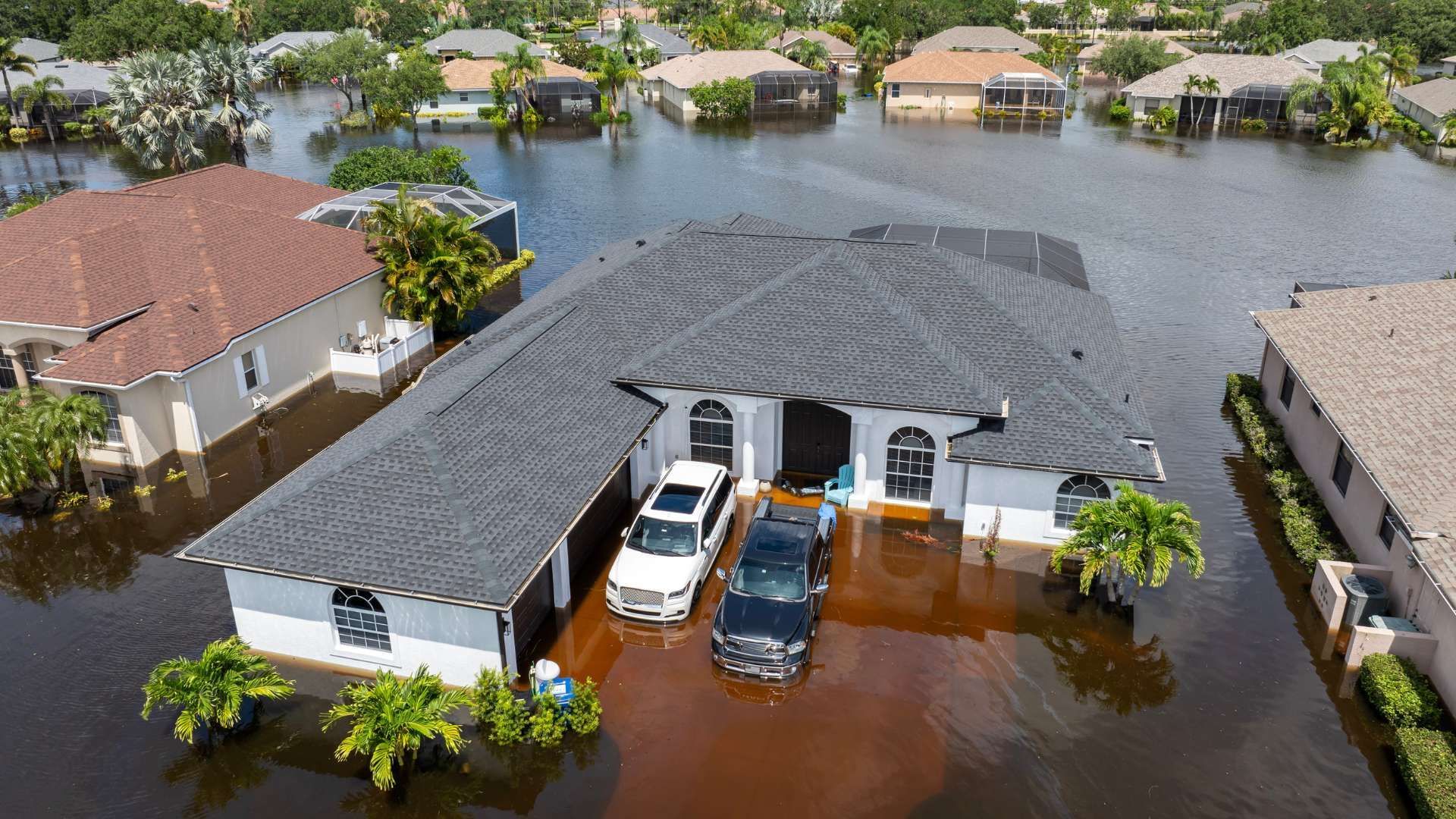
Flood damage is the big one for Florida renters. Standard renters insurance doesn't cover flooding from storms, overflowing bodies of water, or storm surge. If you live in a flood-prone area, you'll need separate flood insurance. The good news? Renters flood insurance through the National Flood Insurance Program typically costs $100 to $300 per year.
Earthquake damage isn't covered either, though this matters less in Florida than in places like California. Pest damage from termites, rodents, or insects isn't covered. Regular wear and tear or gradual damage isn't covered. And damage from your own negligence typically won't be covered.
Your roommate's stuff isn't automatically covered unless they're listed on your policy. Each person typically needs their own renters insurance policy.
High-value items often have sub-limits. Jewelry might be capped at $1,500, computers at $2,500, and so on. If you own expensive items, ask about scheduled personal property endorsements that provide higher limits.
How Much Renters Insurance Costs in Florida
Florida renters insurance typically runs $20 to $35 per month, which translates to $240 to $420 per year. That's slightly higher than the national average due to Florida's hurricane risk and higher cost of living in some areas.
Several factors affect your rate. Your location matters a lot. Miami, Tampa, and coastal areas generally cost more than inland cities. The amount of coverage you choose obviously impacts price. Higher deductibles lower your premium, while lower deductibles increase it. Your claims history and credit score can also affect rates.
Want to save money? Bundle your renters insurance with auto insurance for a multi-policy discount. Install smoke detectors, security systems, or fire extinguishers for safety discounts. Choose a higher deductible if you have emergency savings. Ask about discounts for being claims-free, having good credit, or being a long-term customer.
The bottom line is this: for the cost of a couple of pizzas per month, you get tens of thousands of dollars in protection.
That's a pretty good deal.
How to Get the Right Coverage for Your Situation
Getting renters insurance doesn't have to be complicated. Start by taking inventory of everything you own. Walk through your rental and photograph or video everything. Estimate replacement costs for major items.
Decide how much coverage you need based on your inventory. Most people need $20,000 to $40,000 in personal property coverage. Add more if you own expensive items or have a lot of stuff.
Choose between replacement cost and actual cash value coverage. Replacement cost is worth the extra few dollars per month in most cases because it actually replaces what you lost.
Consider how much liability coverage makes sense. The standard $100,000 is a good start, but $300,000 provides better protection and only costs a few dollars more monthly.
Review what deductible works for your budget. Common options are $500, $1,000, or $2,500. Higher deductibles mean lower premiums but more out-of-pocket costs if you file a claim.
Think about any special coverage you might need. Do you have expensive jewelry, musical instruments, or collectibles? Do you work from home and have business equipment? These might need additional coverage.
At Integrity Insurance Group, we help Florida renters find coverage that fits their needs and budget. We'll explain your options in plain English, answer all your questions, and make sure you're not overpaying for coverage you don't need or underinsured for risks you face.
Ready to protect your belongings and your financial future? Contact us to get a renters insurance quote. It takes just a few minutes, and you'll have peace of mind knowing you're covered.
FAQs About Renters Insurance
Is renters insurance required in Florida? Renters insurance is not legally required in Florida, but many landlords require tenants to carry it as a condition of the lease. Even if your landlord doesn't require it, getting coverage is still a smart financial decision. The relatively low cost provides significant protection for your belongings and liability exposure.
What does renters insurance cover? Renters insurance typically covers your personal belongings against theft, fire, vandalism, lightning, windstorm, and certain water damage. It also provides liability protection if someone is injured in your rental or if you accidentally damage someone else's property. Most policies include additional living expenses coverage if your rental becomes uninhabitable due to a covered event.
How much renters insurance do I need? Most renters need between $20,000 and $50,000 in personal property coverage, depending on what they own. Take inventory of your belongings to get an accurate estimate. For liability coverage, $100,000 is standard, but $300,000 provides better protection for just a few extra dollars per month. Consider your assets and potential risk exposure when choosing liability limits.
Does renters insurance cover water damage? Renters insurance covers certain types of water damage but not all. It typically covers sudden and accidental water damage like burst pipes, overflowing appliances, or accidental overflow of a bathtub. However, it does not cover flood damage from storms, rising water, or storm surge. Florida renters in flood-prone areas should consider separate flood insurance.
Will renters insurance cover my roommate's belongings? No, your renters insurance only covers your personal property, not your roommate's belongings. Each roommate should carry their own renters insurance policy. Some insurance companies do allow roommates to be listed on a single policy, but this can get complicated if one person moves out or if you need to file a claim. Separate policies are usually the cleaner option.
Does renters insurance cover theft outside my apartment? Yes, most renters insurance policies provide some coverage for personal property stolen outside your rental. This can include items stolen from your car, your workplace, or even while traveling. However, there may be coverage limits for items kept outside the home, and certain high-value items might have sub-limits. Review your policy for specific details.
How do I file a renters insurance claim? Contact your insurance company as soon as possible after discovering damage or theft. Document everything with photos or video. Make a list of damaged or stolen items with their approximate value. File a police report for theft or vandalism. Your insurance company will assign a claims adjuster who will guide you through the process. Keep receipts for any emergency repairs or temporary living expenses.
Can I cancel my renters insurance anytime? Yes, you can typically cancel renters insurance at any time. Most companies allow you to cancel online, by phone, or in writing. You'll usually receive a prorated refund for any unused premium. However, check if your lease requires renters insurance. If it does, you'll need to maintain coverage for the duration of your lease or risk violating your rental agreement.
FAQs About Integrity Insurance Group
Does Integrity Insurance Group offer renters insurance in Florida? Yes, Integrity Insurance Group offers comprehensive renters insurance throughout Florida. We work with multiple carriers to find you the best coverage at competitive rates. Whether you're renting an apartment in Miami, a house in Tampa, or a condo in Orlando, we can help you get the protection you need.
How much does renters insurance cost through Integrity Insurance Group? Renters insurance costs vary based on location, coverage amount, and other factors, but most Florida renters pay between $20 and $35 per month. We shop multiple carriers to find you the best rate for the coverage you need. We can also help you identify discounts you might qualify for, like bundling with auto insurance or having safety features in your rental.
Can I bundle renters insurance with other policies? Absolutely. Bundling your renters insurance with auto insurance typically saves you 10-25% on both policies. If you own a boat or motorcycle, you can often bundle those as well for additional savings. We'll review all your insurance needs and show you how bundling can reduce your overall costs.
How quickly can I get renters insurance through Integrity Insurance Group? Most renters can get coverage in place within 24 hours, and often the same day. We'll gather some basic information about your rental and belongings, provide you with quotes from multiple carriers, and help you select the best option. Once you choose a policy, coverage can typically start immediately or on a date you specify.
What makes Integrity Insurance Group different for renters insurance? We're independent agents, which means we work for you, not the insurance companies. We shop multiple carriers to find you the best combination of coverage and price. We explain everything in plain English without insurance jargon. And we're here when you need us, whether you have questions about your coverage or need to file a claim. Our clients appreciate our responsive service and commitment to finding solutions that actually work. Learn more about us.
Does Integrity Insurance Group help with claims? Yes, we're with you throughout the entire claims process. If you need to file a claim, contact us and we'll guide you through the process, help you understand what documentation you need, and advocate for you with the insurance carrier. While the carrier handles the actual claim, we stay involved to make sure things move smoothly and you get the settlement you deserve.
Can Integrity Insurance Group help me determine how much coverage I need? Absolutely. We help renters conduct home inventories to determine appropriate coverage amounts. We'll ask about your belongings, lifestyle, and any special items you own. We'll explain the difference between replacement cost and actual cash value coverage. And we'll recommend liability limits based on your situation. Our goal is to make sure you have adequate coverage without paying for more than you need.
How do I get a renters insurance quote from Integrity Insurance Group? Getting a quote is easy. Visit our contact page or call us directly. We'll ask about your rental address, the coverage amounts you're interested in, and any special items you want to insure. We'll provide quotes from multiple carriers and explain the differences. There's no obligation, and the whole process typically takes less than 15 minutes. You can also visit our renters insurance page to learn more about coverage options.
Disclaimer: The information provided on this blog is for general informational purposes only and should not be considered professional advice. While we strive to ensure that all content is accurate and up to date, no guarantees are made regarding its completeness or reliability. Readers are encouraged to seek professional guidance specific to their situation before making any decisions based on the information provided. The author and this blog disclaim any liability for actions taken or not taken based on the content herein.