
Key Points
- Florida requires minimum liability coverage but doesn't mandate collision or comprehensive coverage
- About 1 in 4 Florida drivers are uninsured, making uninsured motorist coverage especially important
- Minimum coverage often leaves drivers significantly underinsured for catastrophic accidents
- Florida is a no-fault state, meaning your own insurance covers your injuries regardless of fault
- Coverage types include liability, uninsured motorist, medical payments, comprehensive, and collision
- Choosing appropriate coverage protects your assets, your health, and your financial security
You're driving down I-95 in Florida when someone runs a red light and T-bones your car. The good news: you have auto insurance. The bad news: if you only have Florida's minimum required coverage, you might discover that the damage exceeds what your insurance actually covers.
This scenario plays out regularly in Florida, where traffic is heavy, uninsured drivers are common, and insurance requirements are more lenient than in many other states.
Understanding what different types of car insurance actually cover is the foundation of protecting yourself on Florida's roads. Let's break down each coverage type and help you figure out what you actually need.
Florida's Minimum Insurance Requirements
Florida law requires drivers to carry minimum insurance coverage, but the state takes a unique approach compared to most states.
Florida is a "no-fault" state, which means your own insurance covers your injuries and damages in an accident regardless of who caused it. This is different from most states where the at-fault driver's insurance pays.
The state's minimum insurance requirement is called PIP (Personal Injury Protection) and PDL (Property Damage Liability). PIP covers 80% of your medical expenses and 60% of lost wages if you're injured, up to $10,000 in coverage. PDL covers damage you cause to other people's property, with a minimum of $10,000.
That's it. Those are Florida's legal minimums. You can legally drive with just $10,000 in property damage liability and $10,000 in PIP coverage.
But here's the problem: minimum coverage leaves you dangerously exposed. A serious accident could easily cost $50,000, $100,000, or more in damages and injuries. If you only have $10,000 in property damage coverage, you're personally liable for everything above that amount.
Liability Coverage: Protecting Others (and Yourself)
Liability insurance covers damage you cause to other people and their property. It has two parts: bodily injury liability and property damage liability.
Bodily injury liability covers medical expenses, lost wages, pain and suffering, and other damages to people you injure in an accident. Florida's minimum is technically zero for bodily injury liability (it's only required in other states), but PIP covers this differently in Florida. However, you absolutely should carry bodily injury liability coverage because PIP has limits and won't cover everything.
Most Florida drivers carry $25,000 to $100,000 in bodily injury coverage per person, with $50,000 to $300,000 in aggregate per accident. The difference between $25,000 and $100,000 per person typically costs just $5-15 more per month. Given that a single serious injury can result in $500,000 or more in damages, higher limits are wise.
Property damage liability covers repair or replacement of other people's vehicles, property, and structures you damage. A $10,000 limit sounds okay until you hit a luxury car. A new Mercedes or high-end truck can easily cost $60,000 to $100,000. If you damage one, your $10,000 limit covers maybe 10% of the damage. You're personally responsible for the rest.
Most insurance advisors recommend at least $25,000 in property damage liability, with $50,000 or higher being even better. The cost difference is minimal compared to the protection it provides.
Uninsured Motorist Coverage: The Florida Essential
Here's a Florida-specific reality: approximately 1 in 4 drivers on the road don't have insurance. That's roughly 25% of vehicles you might encounter.
If an uninsured driver hits you and injures you, their lack of insurance doesn't help you recover. Your medical bills don't disappear just because they weren't insured. Uninsured motorist coverage protects you in this exact scenario.
Uninsured motorist bodily injury coverage pays your medical expenses and damages when an uninsured driver injures you. If an uninsured driver causes an accident that breaks your arm, this coverage pays your medical bills and compensates you for pain and suffering.
Underinsured motorist coverage protects you when the at-fault driver has insurance but it's not enough to cover your damages. If someone with $25,000 in bodily injury coverage hits you and causes $75,000 in injuries, underinsured motorist coverage covers the $50,000 gap.
Many Florida drivers make the mistake of skipping uninsured motorist coverage to save money. This is dangerous. In Florida, with so many uninsured drivers, this is one of the most important protections you can buy. It typically costs $10-30 per month depending on your limits and vehicle.
PIP and Medical Payments Coverage
Florida's no-fault system means your own insurance covers your medical expenses after an accident regardless of who caused it. This is where PIP comes in.
PIP coverage is required by Florida law and covers 80% of reasonable medical expenses and 60% of lost wages up to your coverage limit (minimum $10,000). It also covers essential services you can't perform yourself due to injuries, like childcare or household help.
The key word is "reasonable." PIP insurance companies scrutinize medical bills and may deny charges they consider excessive or unrelated to the accident. Many accident victims discover that PIP doesn't cover as much as they expected.
Medical payments coverage, also called MedPay, provides additional coverage beyond PIP. It covers medical expenses for you and your passengers without any deductible. If your PIP runs out or doesn't cover everything, MedPay fills the gap.
While not required, medical payments coverage is valuable insurance, especially if you have passengers in your car regularly. It typically costs $5-15 per month for moderate limits and provides valuable backup coverage.
Collision Coverage: Protecting Your Vehicle
Collision coverage pays to repair or replace your vehicle if it's damaged in an accident, regardless of fault. If you collide with another car, hit a light pole, or flip your vehicle, collision coverage handles the repairs.
This coverage is optional unless you're financing or leasing your vehicle. Lenders require it to protect their investment in the car. If you own your car outright, collision is optional, but it's usually worth carrying if your vehicle has significant value.
Collision coverage comes with a deductible, typically $500 or $1,000. You pay the deductible, and insurance covers the rest. Higher deductibles mean lower premiums. A $1,000 deductible might save you $15-30 per month compared to a $500 deductible.
Consider your vehicle's value when deciding whether to carry collision. If you drive a paid-off car worth $8,000, paying $100 per month for collision coverage might not make financial sense. But if you drive a $30,000 vehicle, collision coverage is essential.
Comprehensive Coverage: Protection from Other Perils
Comprehensive coverage protects your vehicle from damage other than collisions. Theft, vandalism, weather damage, animal strikes, and other non-collision events are covered.
If a hurricane damages your car, comprehensive coverage handles it. If a tree falls on your vehicle, comprehensive pays for repairs. If someone breaks into your car and steals your stereo, comprehensive covers it. If you hit a deer, comprehensive covers the damage.
Like collision coverage, comprehensive is optional if you own your car outright but required by lenders. It also comes with a deductible, often $500 or $1,000.
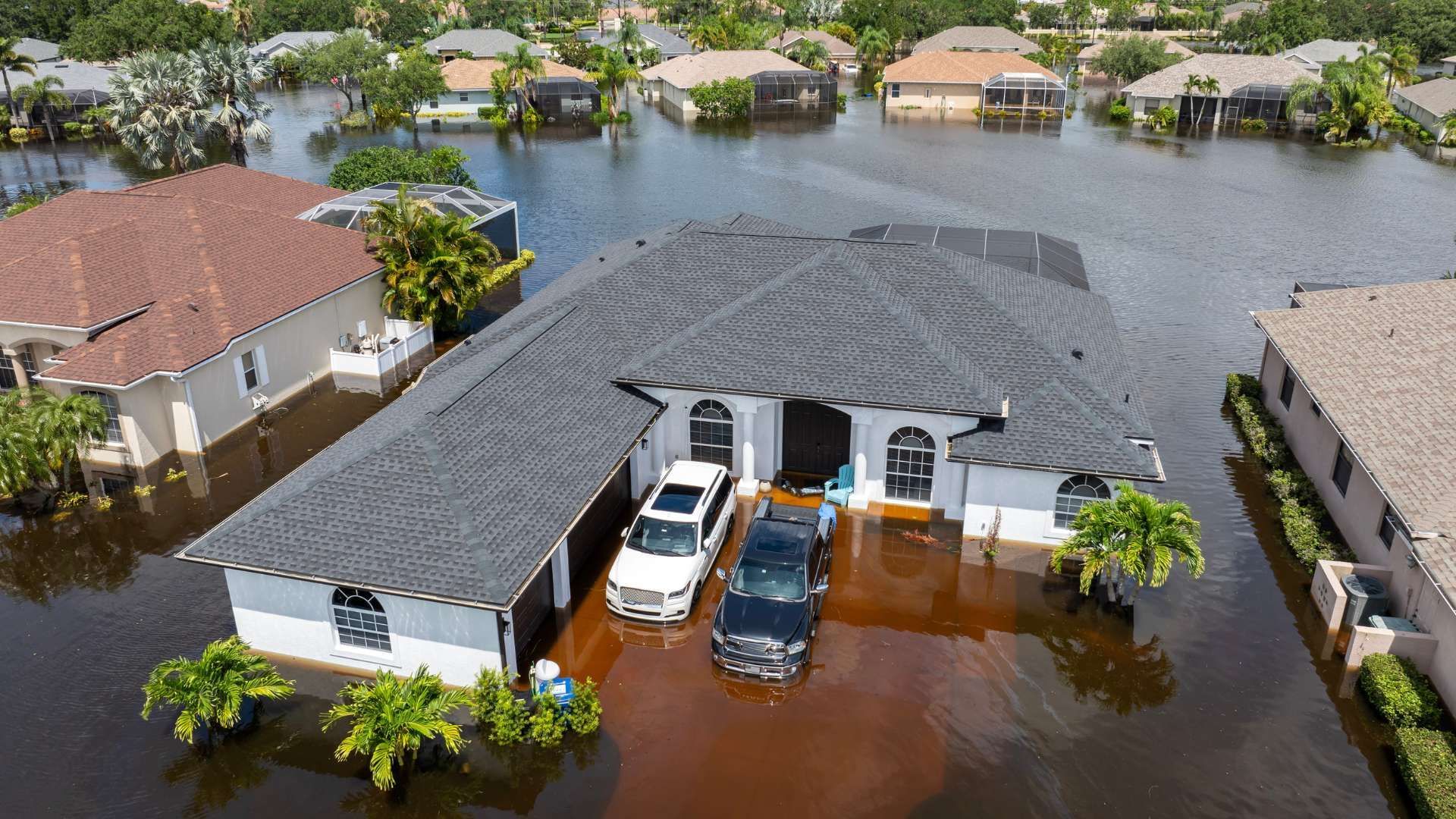
Comprehensive is particularly valuable in Florida due to weather exposure. Hurricanes, severe thunderstorms, and flooding can damage vehicles. Comprehensive protection makes sense for most Florida drivers, especially those in coastal or flood-prone areas.
Gap Insurance: For Financed Vehicles
If you financed your vehicle, you might be underwater on the loan, meaning you owe more than the car is worth. Gap insurance protects against this situation.
If your financed car is totaled in an accident, your collision insurance pays what the car is worth at that time. But you still owe the lender the full loan balance. The gap between what the insurance pays and what you owe is gap insurance.
Example: You bought a $30,000 car with a $28,000 loan. After two years of payments, you still owe $22,000 but the car is worth $20,000. If it's totaled in an accident, collision pays $20,000. You're responsible for the remaining $2,000 loan balance. Gap insurance covers this gap.
Gap insurance typically costs $10-20 per month and is often available through your lender or insurance company. If you financed your car with a long loan term (72+ months), gap insurance is worth considering.
Uninsured and Underinsured Motorist Property Damage
This coverage is less common but increasingly important in Florida's high-uninsured-driver environment.
UMPD coverage pays to repair your vehicle if hit by an uninsured or underinsured driver who drives away (hit-and-run) or causes damage without sufficient liability insurance.
Without this coverage, if an uninsured driver hits you, you'd need to file a collision claim and pay your collision deductible to repair your vehicle. With UMPD, you pay a smaller UMPD deductible instead.
This coverage is optional but worthwhile in Florida, especially if you have a newer vehicle or limited collision coverage. It typically costs $5-15 per month.
Choosing Your Coverage: A Practical Approach
Selecting appropriate coverage involves balancing protection with cost. Here's a framework.
If you own your car outright: You can technically skip collision and comprehensive, but it's risky. At minimum, carry the highest liability limits you can afford (at least $100,000 per person/$300,000 per accident). Comprehensive is particularly valuable if your car has significant value or you live in a hurricane-prone area. Uninsured motorist coverage is essential in Florida.
If you're financing or leasing: Your lender requires collision and comprehensive. Carry the highest liability limits available (most agents recommend $100,000+ per person). Definitely carry uninsured and underinsured motorist coverage. Consider gap insurance if you're financing.
For all Florida drivers: Uninsured motorist bodily injury coverage is non-negotiable with one in four drivers uninsured on the road. Carry at least $100,000 per person in bodily injury liability. Property damage liability should be at least $25,000, preferably higher if you have assets to protect.
Medical payments coverage is valuable for $5-15 per month, especially if you have regular passengers.
Your auto insurance should protect your assets and financial security. Minimum coverage saves money short-term but exposes you to catastrophic loss. Recommended coverage provides comprehensive protection at reasonable cost.
At Integrity Insurance Group, we help Florida drivers understand their coverage options and find the right balance of protection and affordability. We'll explain what each coverage type means in plain English and help you choose limits appropriate for your vehicle, driving situation, and assets.
The right insurance gives you peace of mind on Florida's busy roads. Don't settle for minimum coverage when recommended coverage costs just slightly more and protects infinitely better.
Ready to review your car insurance coverage? Contact us to discuss your current policy, identify any gaps, and find opportunities to improve your protection at competitive rates.
FAQs About Florida Car Insurance
What's the difference between Florida's no-fault insurance and other states? In no-fault states like Florida, your own insurance covers your medical expenses and lost wages after an accident regardless of who caused it. You file a claim with your own insurer for PIP coverage. In fault-based states, the at-fault driver's insurance pays. Florida's no-fault system is designed to get claims paid faster, but it means your own insurance covers you even if the other driver caused the accident.
Do I need to carry more than Florida's minimum insurance requirements? Yes, strongly recommended. Florida's minimums ($10,000 property damage liability and $10,000 PIP) are among the lowest in the nation and leave you dangerously exposed. A serious accident can result in $100,000+ in damages. Most insurance professionals recommend at least $100,000 per person in bodily injury liability and $25,000+ in property damage liability. Uninsured motorist coverage is especially important in Florida where about 1 in 4 drivers are uninsured.
Can I skip collision and comprehensive coverage to save money? If you own your car outright, collision and comprehensive are optional. However, it's usually not wise. If your vehicle has significant value, these coverages protect your investment. If you're financing or leasing, your lender requires both. The cost of these coverages is often worth the protection, especially in Florida where weather damage and vehicle theft are concerns.
What should my deductible be for collision and comprehensive? Common deductibles are $250, $500, and $1,000. A higher deductible lowers your premium. Choose a deductible you can actually afford to pay out of pocket if you need to file a claim. Many people choose $500 as a balance between reasonable premiums and manageable out-of-pocket costs. If you rarely get into accidents, a higher deductible might save money.
Is uninsured motorist coverage really necessary in Florida? With approximately 1 in 4 drivers uninsured on Florida roads, uninsured motorist coverage is essential. If an uninsured driver hits you and injures you, this coverage protects you. The cost is minimal (typically $10-30 per month) compared to the potential protection. Many Florida insurance professionals consider this non-negotiable.
How does Florida's PIP coverage work compared to medical payments coverage? PIP (Personal Injury Protection) is required by Florida law and covers 80% of medical expenses and 60% of lost wages. Medical payments coverage is optional and covers 100% of medical expenses with no deductible. Medical payments is supplemental coverage that fills gaps in PIP. Together they provide more complete protection than either alone.
Will my rates increase if I file a car insurance claim? Most insurers increase rates if you file a claim, especially if you're found at fault. The rate increase depends on your insurer's policy, the type of claim, and your driving history. Many insurers offer accident forgiveness programs that waive or limit rate increases for first accidents. Discuss your policy's claim impact with your agent before filing.
What's gap insurance and do I need it? Gap insurance covers the difference between what your financed car is worth and what you still owe on the loan if it's totaled. If you financed a vehicle and are paying 72+ months, gap insurance protects you. If you put substantial money down and owe much less than the car is worth, gap insurance might be unnecessary. Your lender can help determine if gap insurance makes sense for your loan.
FAQs About Integrity Insurance Group
Does Integrity Insurance Group help Florida drivers understand car insurance coverage? Yes, we specialize in helping Florida drivers navigate auto insurance options. We explain different coverage types in plain English, help you understand Florida's unique no-fault system, and recommend appropriate coverage for your vehicle and situation. We're not just selling insurance; we're educating you about what you actually need.
Can Integrity Insurance Group help me lower my car insurance rates? Absolutely. We shop multiple insurance carriers to find you competitive rates. We identify discounts you qualify for including bundling with homeowners or other policies, safe driver discounts, vehicle safety features, and more. We also help you optimize deductibles and coverage limits to find the best balance of protection and cost. Often we can save clients significant money while improving their coverage.
What if my current auto insurance company is not offering good rates? We have access to multiple insurance carriers throughout Florida. If your current rates are high, let us review your coverage. We'll shop other carriers to find better rates and compare coverage options. Many Florida drivers discover they're overpaying without realizing it. A simple policy review often reveals significant savings opportunities.
Does Integrity Insurance Group offer commercial auto insurance? Yes, we provide both personal auto insurance and commercial vehicle insurance for business vehicles and fleets. If you use your vehicle for business purposes, your personal auto insurance probably excludes business use. We can help you get appropriate commercial coverage to protect your business operations.
Can Integrity Insurance Group help if I've been in multiple accidents? Yes. Drivers with multiple accidents or violations often struggle to find affordable coverage, but we have access to carriers that specialize in higher-risk drivers. We'll help you find coverage at the best available rates and may recommend accident forgiveness programs or other strategies. Being a more expensive driver doesn't mean you can't get fair insurance rates.
How quickly can Integrity Insurance Group provide a car insurance quote? We can typically provide quotes within hours or by the next business day depending on when you contact us. If you need urgent quotes before a policy expires, let us know and we'll prioritize your request. Most of our quotes are provided quickly without any obligation.
Does Integrity Insurance Group help with insurance claims? Yes, if you need to file a car insurance claim, contact us and we'll help guide you through the process. While your insurance company handles the actual claim, we can help you understand what to do, what documentation you need, and ensure the process goes smoothly. We're your advocate throughout the claims process. Learn more about us and our commitment to serving Florida drivers.
What makes Integrity Insurance Group different for car insurance in Florida? We're independent agents who work with multiple insurance carriers, not just one company. We understand Florida's unique insurance landscape and the challenges Florida drivers face. We take time to explain your options clearly, help you understand what different coverages actually mean, and recommend appropriate protection for your situation. We focus on finding you the right coverage at competitive rates, not just selling you the cheapest policy available.
Disclaimer: The information provided on this blog is for general informational purposes only and should not be considered professional advice. While we strive to ensure that all content is accurate and up to date, no guarantees are made regarding its completeness or reliability. Readers are encouraged to seek professional guidance specific to their situation before making any decisions based on the information provided. The author and this blog disclaim any liability for actions taken or not taken based on the content herein.